
Anxiety and depression affect millions of Americans, creating ripple effects that touch every aspect of life—from relationships and work performance to physical health and overall quality of life. While conventional Western medicine often treats these conditions as isolated brain chemistry problems, Traditional Chinese Medicine (TCM) offers a profoundly different perspective: anxiety and depression are not merely diseases of the mind, but rather imbalances affecting the entire person—mind, body, and spirit.
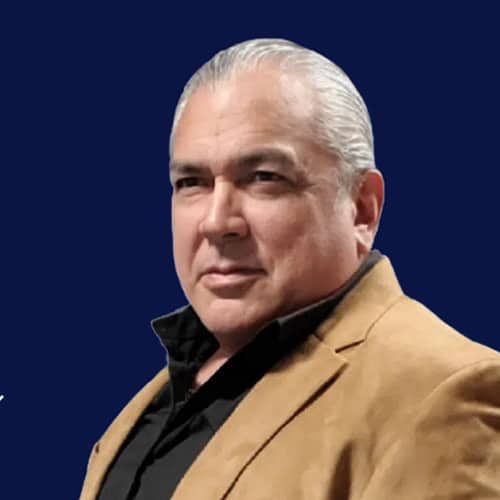
Doc Blackstone has dedicated over 35 years to perfecting a holistic approach that treats the whole person, not just symptoms. His unique needle-free acupuncture method, combined with comprehensive TCM modalities, addresses the root causes of emotional suffering by recognizing the inseparable connection between mental and physical health.
Understanding Anxiety and Depression: More Than a Chemical Imbalance
The Conventional Medical View
Western medicine typically conceptualizes anxiety and depression as neurological conditions caused primarily by chemical imbalances in the brain—specifically involving neurotransmitters like serotonin, dopamine, and norepinephrine. Treatment generally focuses on pharmaceutical interventions (SSRIs, SNRIs, benzodiazepines) and psychotherapy, targeting symptoms rather than underlying systemic imbalances.
While these approaches can be helpful for many people, they often come with significant limitations:
Side Effects: Many psychiatric medications cause weight gain, sexual dysfunction, emotional numbness, sleep disturbances, and dependency issues.
Incomplete Relief: Studies show that antidepressants provide complete remission in fewer than 40% of patients, with many experiencing only partial improvement or no relief at all.
Symptom Masking: Medications may suppress symptoms without addressing underlying causes, leading to dependency and recurrence when treatment stops.
Narrow Focus: Treating the brain in isolation ignores how emotional health connects to digestion, sleep, hormones, chronic pain, and overall vitality.
The Traditional Chinese Medicine Perspective: Mind-Body Unity
Traditional Chinese Medicine approaches mental health fundamentally differently. Rather than viewing anxiety and depression as isolated brain disorders, TCM understands them as manifestations of systemic imbalances affecting multiple organ systems and the flow of vital energy throughout the body.
According to TCM philosophy, health represents a harmonious balance between mind, body, and spirit. Emotional well-being depends on the smooth flow of Qi (vital energy) through the body’s meridian system and the balanced functioning of the major organ systems—particularly the heart, liver, spleen, kidneys, and lungs.
Each organ in TCM governs specific emotional states:
The Heart houses the Shen (spirit/consciousness) and governs joy and mental clarity. Heart imbalances can manifest as anxiety, insomnia, palpitations, and restlessness.
The Liver regulates the smooth flow of Qi and emotions throughout the body. Liver Qi stagnation—often caused by chronic stress, frustration, or emotional suppression—commonly manifests as irritability, anxiety, depression, chest tightness, and mood swings.
The Spleen governs thought and rumination. Spleen deficiency can lead to excessive worry, mental fog, fatigue, and depressive symptoms.
The Kidneys store our constitutional essence and govern willpower and courage. Kidney deficiency may manifest as fear, anxiety, low motivation, and feelings of insecurity.
The Lungs are associated with grief and sadness. Lung imbalances can contribute to depression, especially following loss or prolonged grief.
This holistic framework recognizes that emotional distress both arises from and contributes to physical imbalances. Chronic anxiety might manifest with digestive problems, muscle tension, and insomnia. Depression often appears alongside fatigue, pain, and weakened immunity. Rather than treating these as separate conditions, TCM addresses them as interconnected aspects of the same underlying disharmony.
The Evidence: Research Supporting Acupuncture for Anxiety and Depression
Before exploring Doc Blackstone’s specific approach, it’s important to understand the growing research base supporting acupuncture’s effectiveness for mental health conditions.
Acupuncture for Anxiety
A 2017 comprehensive review found that acupuncture is moderately effective in treating anxiety according to high-level evidence. One significant systematic review including over 400 randomized patients determined that the effects of acupuncture for treating anxiety have been shown to be significant compared to conventional treatments.
The largest study in this review, which included 120 randomized patients, discovered that acupuncture produced a large effect on reducing anxiety and depression compared to conventional treatment involving pharmacological approaches and psychotherapy, with more than twice the reduction in symptoms.
A more recent 2018 systematic review found that all 13 included studies reported an anxiety decrease for their treatment groups relative to control groups, with three studies using pharmaceutical controls.
Research from a 2021 meta-analysis of twenty randomized controlled trials provided evidence that acupuncture produces clinically meaningful improvements in anxiety symptoms, with effects maintained over follow-up periods.
Acupuncture for Depression
Multiple systematic reviews have examined acupuncture’s effectiveness for depression. A comprehensive 2019 meta-analysis found evidence of moderate benefit in depression severity when acupuncture was compared to usual care, with effect sizes indicating clinically meaningful improvements.
Research demonstrates that acupuncture can be effective both as a standalone treatment and when combined with antidepressant medications. One systematic review found high-level evidence supporting acupuncture for treating major depressive disorder, particularly in pregnancy where pharmaceutical options are limited.
Studies have shown that acupuncture increases levels of neurotransmitters such as serotonin, dopamine, and norepinephrine in the brain, similar to the mechanism of many antidepressant medications but without the associated side effects.
How Acupuncture Works: The Mechanisms
Research has identified several biological mechanisms through which acupuncture may improve anxiety and depression:
Neurotransmitter Regulation: Acupuncture enhances activity in key brain areas including the amygdala, hypothalamus, and brainstem, promoting the release of mood-regulating neurotransmitters.
Nervous System Balance: Acupuncture helps regulate the autonomic nervous system, reducing excessive sympathetic (stress) response and enhancing parasympathetic (relaxation) activity.
Inflammation Reduction: Depression and anxiety are associated with increased inflammatory markers. Acupuncture demonstrates anti-inflammatory effects that may contribute to symptom improvement.
HPA Axis Regulation: Acupuncture helps normalize the hypothalamic-pituitary-adrenal axis, which becomes dysregulated during chronic stress and contributes to mood disorders.
Endorphin Release: Acupuncture stimulates the release of endogenous opioids and endorphins, natural pain-relieving and mood-enhancing compounds.
Common Causes and Manifestations of Anxiety and Depression
Understanding what contributes to anxiety and depression helps illuminate why a holistic, whole-person approach is so essential.
Biological Factors
Genetic Predisposition: Family history increases vulnerability to mood disorders.
Hormonal Changes: Thyroid dysfunction, perimenopause, postpartum changes, and other hormonal shifts can trigger or worsen symptoms.
Chronic Illness: Persistent pain, autoimmune conditions, diabetes, cardiovascular disease, and other health problems often co-occur with mood disorders.
Nutritional Deficiencies: Inadequate levels of vitamin D, B vitamins, omega-3 fatty acids, magnesium, and other nutrients impact brain function and emotional regulation.
Sleep Disturbances: Insomnia and poor sleep quality both contribute to and result from anxiety and depression, creating a vicious cycle.
Psychological and Environmental Factors
Chronic Stress: Ongoing work pressure, financial strain, relationship difficulties, or caregiving responsibilities overwhelm the body’s stress response systems.
Trauma: Past traumatic experiences, including childhood adversity, abuse, loss, or PTSD, profoundly impact mental health.
Social Isolation: Lack of meaningful connection and support increases vulnerability to mood disorders.
Major Life Changes: Divorce, job loss, relocation, retirement, or other significant transitions can trigger symptoms.
Lifestyle Factors
Sedentary Behavior: Lack of physical activity reduces endorphin production and contributes to mood problems.
Poor Diet: High consumption of processed foods, sugar, and inflammatory ingredients negatively impacts mental health.
Substance Use: Alcohol, recreational drugs, and even excessive caffeine can worsen anxiety and depression.
Technology Overuse: Constant connectivity, social media comparison, and information overload contribute to modern anxiety.
Doc Blackstone’s Holistic Approach: Treating the Whole Person
The Sacred Healing Tree System
Doc Blackstone’s approach to treating anxiety and depression embodies TCM’s fundamental principle: mind and body are inseparable. Through over 35 years of dedicated practice, Doc has developed the Sacred Healing Tree healing system—a unique therapeutic approach combining Japanese Toyohari needle-free techniques with decades of martial arts training and profound understanding of energy work.
What distinguishes Doc’s practice is his recognition that emotional suffering rarely exists in isolation. Depression often manifests with chronic pain, digestive problems, sleep disturbances, and fatigue. Anxiety frequently appears alongside muscle tension, headaches, heart palpitations, and immune weakness. Rather than treating these as separate issues requiring different specialists, Doc addresses them as manifestations of the same underlying imbalances.
Comprehensive Assessment: Finding the Root Cause
Doc’s initial consultation goes far beyond simply cataloging symptoms. Drawing on TCM’s sophisticated diagnostic methods, he conducts a thorough examination to understand the unique pattern of imbalance affecting each individual:
Detailed Health History: Doc explores your emotional symptoms alongside physical health, sleep quality, digestive function, energy levels, pain patterns, and overall vitality. He investigates how symptoms interrelate and when they first appeared.
Pulse Diagnosis: In TCM, the pulse provides detailed information about organ system function and energy flow. Doc reads subtle qualities in the pulse that reveal underlying imbalances contributing to emotional distress.
Tongue Assessment: The tongue’s color, coating, shape, and moisture reflect internal conditions. This diagnostic tool helps Doc identify whether depression stems from Qi stagnation, blood deficiency, heat patterns, or other imbalances.
Energy Evaluation: Doc assesses how Qi flows through your body’s meridian system, identifying blockages, deficiencies, or excesses that contribute to symptoms.
Pattern Differentiation: Based on all findings, Doc identifies your specific TCM pattern—whether liver Qi stagnation, heart blood deficiency, kidney yin deficiency, or other configurations. This pattern determines your individualized treatment plan.
The Teishin: Needle-Free Acupuncture for Emotional Healing
For many people seeking help with anxiety and depression, the prospect of needles creates additional stress. Doc specializes in the Toyohari method, using a specialized tool called a teishin—a blunt-tipped metal rod that contacts acupuncture points without penetrating the skin.
This refined Japanese technique applies precise pressure and subtle movements to regulate Qi flow with remarkable effectiveness. The teishin stimulates acupuncture points associated with emotional regulation, stress reduction, and mental clarity.
Key acupuncture points Doc may treat include:
Yintang (Third Eye Point): Located between the eyebrows, this point calms the mind, reduces anxiety, and promotes mental clarity.
Shenmen (Heart 7): Known as the “Spirit Gate,” this wrist point stabilizes emotions, relieves anxiety, and improves sleep.
Neiguan (Pericardium 6): This inner wrist point regulates heart function, reduces palpitations, and alleviates anxiety and nausea.
Taichong (Liver 3): Located on the foot, this powerful point smooths liver Qi, relieves stress, irritability, and depression.
Baihui (Du 20): The crown point calms the spirit, lifts mood, and enhances mental clarity.
Zusanli (Stomach 36): This leg point strengthens overall vitality, supports the spleen, reduces worry, and enhances resilience.
The needle-free approach offers several advantages for treating anxiety and depression:
- Reduces Treatment Anxiety: Eliminates needle fear, helping patients relax more deeply during treatment
- Enhanced Comfort: Many find the gentle technique more soothing, facilitating the parasympathetic relaxation response
- Safe for Everyone: Appropriate for those on blood thinners, with bleeding disorders, or sensitive to needles
- Equally Effective: Research shows non-penetrating acupuncture techniques produce therapeutic benefits comparable to traditional needle acupuncture
Chinese Herbal Medicine: Internal Support for Emotional Balance
While acupuncture regulates energy flow externally, Chinese herbal medicine works from within to restore balance to organ systems and support emotional health.
Doc prescribes custom herbal formulations based on your specific pattern of imbalance. These formulas aren’t standardized “one-size-fits-all” remedies but personalized combinations addressing your unique constellation of symptoms.
Common herbal strategies for anxiety and depression include:
Liver Qi Regulation: Formulas containing Bupleurum (Chai Hu) smooth the flow of liver Qi, relieving stress, irritability, chest tightness, and mood swings. Classic formulas like Xiao Yao San (Free and Easy Wanderer) address emotional stagnation.
Heart Nourishment: When anxiety stems from heart blood or yin deficiency, herbs like Ziziphus (Suan Zao Ren) and Biota (Bai Zi Ren) nourish the heart, calm the spirit, and improve sleep.
Spleen Strengthening: For depression accompanied by fatigue, poor appetite, and mental fog, tonifying herbs like Ginseng (Ren Shen) and Astragalus (Huang Qi) restore energy and lift mood.
Kidney Support: When anxiety involves fear, weakness, or depleted reserves, kidney-nourishing herbs like Rehmannia (Di Huang) and Eucommia (Du Zhong) build foundational strength.
Phlegm Clearing: When depression feels heavy or foggy, formulas containing Citrus (Chen Pi) and Pinellia (Ban Xia) clear phlegm obstruction and restore mental clarity.
Doc uses only the highest quality herbal products manufactured in GMP-compliant facilities in the USA, ensuring purity, potency, and safety. He is recognized by the Texas Department of State Health Services (TXDSHS) for his expertise in herbal medicine.
Complementary Therapeutic Modalities
Doc’s comprehensive approach incorporates additional healing techniques that support emotional well-being:
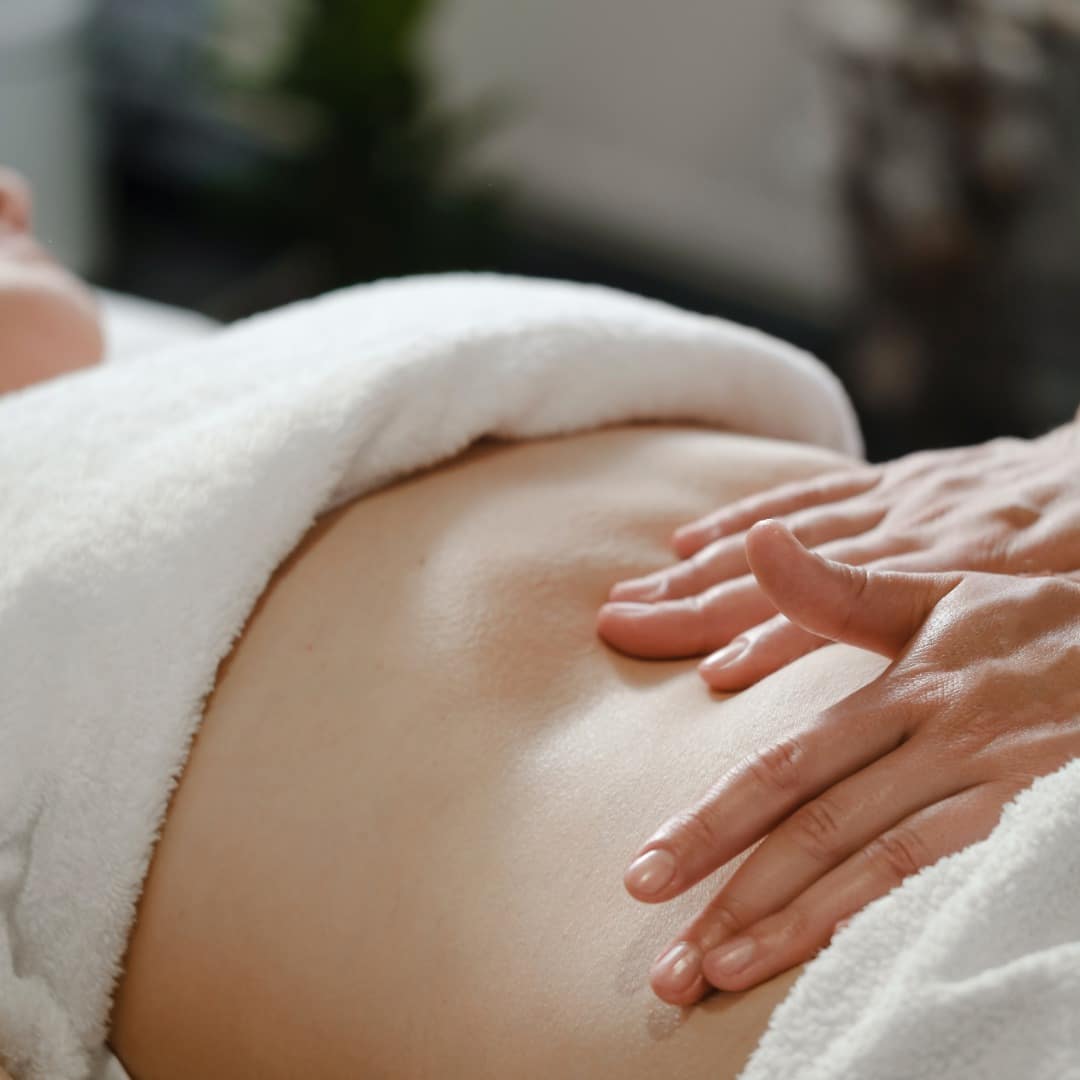
Tui Na (Chinese Medical Massage): This sophisticated bodywork addresses the physical manifestations of emotional distress—muscle tension, shallow breathing, digestive stagnation. By releasing physical holding patterns, Tui Na helps emotions flow more freely.
Moxibustion: The warming therapy using mugwort herb stimulates specific acupuncture points, increases circulation, and tonifies deficient conditions. Moxibustion is particularly helpful for depression accompanied by coldness, fatigue, and low vitality.
Cupping: This technique releases fascial restrictions and improves blood flow, particularly helpful when anxiety or depression manifests with chronic muscle tension, pain, or feelings of stagnation.
Dietary Guidance: Doc provides nutritional recommendations based on TCM principles, suggesting foods that nourish specific organ systems and avoiding those that exacerbate imbalances.
Lifestyle Counseling: Doc offers guidance on stress management, sleep hygiene, exercise, and other lifestyle modifications that support emotional balance.
Treating Emotional Trauma Stored in the Body
One of Doc’s particular areas of expertise is identifying and treating physical pain and disease caused by emotional trauma. TCM has long recognized that unresolved emotional experiences become “stuck” in the body, manifesting as chronic pain, organ dysfunction, and persistent illness.
Through his sophisticated diagnostic skills and decades of experience, Doc can identify where trauma lives in the body and use specialized techniques to release these deep-seated patterns. This approach recognizes that true healing of anxiety and depression often requires addressing the somatic (body-based) component of emotional suffering, not just the psychological dimension.
What Patients Are Saying: Real Healing Stories
Doc Blackstone maintains an impressive 4.9-star rating from over 50 Google reviews. While many patients share experiences with physical pain relief, several specifically mention improvements in emotional well-being and overall quality of life:
Comprehensive Mind-Body Healing
One patient described their experience: “I am a returning patient to Dr. Blackstone and he always relieves my back pain and realigns my body. He listens and is very thorough with each visit. He modifies the visit while you are there, to better serve the issues at hand and I always leave feel lighter and less tense!”
This testimonial highlights a key aspect of Doc’s approach—patients don’t just experience physical relief but feel “lighter and less tense,” indicating improvements in emotional state alongside physical healing.
Holistic Treatment Success
Another patient shared: “DOC helped me with my neuropathy and my back and neck in ways that no other doctor could. He twisted me like a pretzel but I felt so much better I was emotional! He provided the best relief for me and I had been in pain for 20+ years.”
The emotional response to treatment reflects the profound mind-body connection—decades of physical pain had been carrying emotional weight, and releasing the physical holding pattern brought emotional release as well.
Relief Beyond Physical Symptoms
A patient dealing with complex health issues stated: “I actually found someone amazing and I’m now focusing my health on continuing to see him instead of my chiropractor and pain management doctor. Doc gave me more relief naturally in one session doing different TCM and other natural modalities and I’ve had three different back procedures in the last month that didn’t give me as much relief as he did!”
Postpartum Support
A new mother emphasized the importance of Doc’s holistic care: “The first time I went to visit Doc was when I was in my third trimester and having the worst low back pain I have ever experienced. After spending hundreds of dollars on massages and chiropractor visits I came across Doc’s info on the web, and decided to give it a try. After 45 minutes my pain was gone.”
Postpartum depression and anxiety affect many new mothers, and Doc’s ability to address physical pain during pregnancy often prevents or reduces the severity of postpartum mood disturbances by supporting the body’s overall balance during this vulnerable time.
The Positive Energy Factor
Multiple reviewers mention Doc’s “positive energy” and the healing environment he creates. One patient noted: “I was having pain in my lower back for three months. I tried everything before Doc Blackstone and nothing seemed to work. I scheduled an appointment and was so at ease during my visit you could feel Doc’s positive energy. One day after the appointment, the pain seemed to go away.”
This observation speaks to an often-overlooked aspect of healing: the therapeutic relationship itself contributes to recovery. Doc’s calm, positive presence and genuine care create a healing container where patients feel safe to relax, release, and restore balance.
Why Doc Blackstone’s Approach Works for Anxiety and Depression
Addresses Root Causes, Not Just Symptoms
Rather than merely suppressing symptoms with medications, Doc’s approach identifies and treats underlying imbalances. Whether anxiety stems from liver Qi stagnation, depression arises from heart blood deficiency, or symptoms reflect kidney depletion, Doc addresses the specific pattern causing your distress.
This root-cause approach often provides more lasting relief than symptom management alone. As balance restores, symptoms naturally resolve rather than being artificially suppressed.
Treats the Whole Person
Doc recognizes that you are not just your diagnosis. Your anxiety or depression exists within the context of your physical health, life circumstances, relationships, stress levels, sleep quality, diet, and overall vitality. By addressing all these factors, Doc supports comprehensive healing rather than narrow symptom reduction.
No Side Effects
Unlike psychiatric medications that often cause weight gain, sexual dysfunction, emotional blunting, or dependency, Doc’s natural approaches work with your body’s inherent healing capacity. Acupuncture, herbal medicine, and bodywork support your system’s return to balance without introducing harmful side effects.
Personalized Treatment
In conventional psychiatry, treatment protocols are largely standardized—if you have depression, you receive an SSRI; if you have anxiety, perhaps a benzodiazepine. Doc’s approach is the opposite. Every treatment plan is uniquely tailored to your specific pattern of imbalance, symptoms, constitution, and life circumstances.
Two people with depression might receive completely different treatments based on whether one has liver Qi stagnation with irritability and the other has spleen Qi deficiency with fatigue. This individualization increases effectiveness.
Integrates Well with Conventional Care
Doc’s approach complements rather than conflicts with conventional mental health treatment. Many patients work with both their psychiatrist or therapist and Doc, benefiting from the strengths of both systems. Acupuncture and herbal medicine can help reduce medication side effects, enhance therapy effectiveness, and support the process of medication tapering when appropriate (always under medical supervision).
Over 35 Years of Expertise
Doc brings an extraordinary depth of knowledge accumulated through decades of intensive study and practice. His background includes 20 years of martial arts and Chinese Medicine study before formal training, years at the Academy of Oriental Medicine at Austin, specialized training in the prestigious Toyohari method, and continuous refinement of his skills over 35+ years of clinical practice.
This level of expertise allows Doc to treat complex cases that other practitioners might find challenging, including long-standing depression, severe anxiety, PTSD, and conditions resistant to conventional treatment.
International Recognition
In 2020, Doc was invited to teach Tui Na at the prestigious Shou Zhong school in Berlin, Germany, demonstrating international recognition of his expertise. This acknowledgment reflects the exceptional quality of his clinical skills and theoretical knowledge.
When to Consider Doc Blackstone’s Approach for Your Mental Health
Traditional Chinese Medicine may be particularly beneficial if you:
- Experience medication side effects that diminish your quality of life
- Have treatment-resistant anxiety or depression that hasn’t responded adequately to conventional approaches
- Prefer natural treatments and want to avoid or minimize psychiatric medications
- Have co-occurring physical symptoms such as chronic pain, digestive problems, insomnia, or fatigue alongside mood symptoms
- Are pregnant or breastfeeding and have limited pharmaceutical options
- Want to address root causes rather than just managing symptoms
- Experience anxiety or depression alongside chronic illness such as autoimmune conditions, hormonal imbalances, or chronic pain
- Have a history of trauma and recognize that emotional pain lives in your body
- Are seeking to taper off psychiatric medications (always under medical supervision) and want support during the transition
- Value a holistic, personalized approach to healthcare
What to Expect: Your Journey to Emotional Balance
Initial Consultation
Your first visit typically lasts about 60 minutes. Doc takes time to truly understand your experience—not just your diagnostic label, but how symptoms manifest in your daily life, what makes them better or worse, and how they connect to your overall health and life circumstances.
After comprehensive assessment including health history, pulse diagnosis, tongue examination, and pattern differentiation, Doc explains his understanding of your condition from a TCM perspective. Many patients find this reframing illuminating—suddenly their constellation of seemingly unrelated symptoms makes sense as a coherent pattern of imbalance.
Doc then provides treatment during your first visit, beginning the healing process immediately. He also offers recommendations for herbal formulas, dietary modifications, lifestyle changes, and any other support that will enhance your recovery.
Treatment Frequency and Duration
The number of treatments needed varies based on:
- Severity and duration of symptoms
- Complexity of your pattern of imbalance
- Co-existing health conditions
- Your overall vitality and resilience
- Lifestyle factors and stress levels
For acute anxiety or recent-onset depression, significant improvement often occurs within 4-6 weekly treatments. Chronic, long-standing conditions typically require longer courses of care—perhaps 8-12 treatments initially, followed by less frequent maintenance sessions.
Many patients notice improvements after just one or two treatments—better sleep, reduced tension, improved mood, or greater mental clarity. Deeper shifts in chronic patterns develop progressively over time as balance restores.
The Holistic Healing Journey
Healing anxiety and depression through Traditional Chinese Medicine involves more than just receiving treatments. Doc guides patients toward lifestyle modifications that support emotional balance:
Stress Management: Learning to recognize and respond skillfully to stress rather than letting it accumulate
Sleep Hygiene: Establishing regular sleep-wake cycles and creating conditions for restorative rest
Dietary Adjustments: Eating in ways that support your specific pattern of imbalance
Movement Practices: Engaging in gentle exercise that promotes Qi flow without depleting resources
Emotional Processing: Creating space to feel and release emotions rather than suppressing them
Social Connection: Nurturing relationships that provide support and reduce isolation
Doc recognizes that sustainable healing requires addressing all aspects of your life, not just receiving periodic treatments. His guidance helps you become an active participant in your recovery rather than a passive recipient of care.
The Safety and Efficacy Advantage
Exceptional Safety Profile
Research consistently demonstrates that acupuncture carries minimal risk when performed by qualified practitioners. Studies of acupuncture for mental health conditions report very few adverse effects, typically limited to mild, temporary issues like slight fatigue or dizziness that resolve quickly.
This safety profile contrasts sharply with psychiatric medications, which commonly cause:
- Sexual dysfunction (affecting 40-80% of SSRI users)
- Weight gain
- Emotional numbing or “flatness”
- Sleep disturbances
- Withdrawal symptoms
- Increased risk of falls in elderly patients
- Potential for dependency with anti-anxiety medications
Doc’s needle-free approach eliminates even the minimal risks associated with needle insertion, making treatment accessible to everyone regardless of needle sensitivity or bleeding concerns.
Complementary to Conventional Care
Doc’s approach is not anti-psychiatry or anti-medication. Rather, he recognizes that different treatment modalities serve different purposes, and many patients benefit from integrating multiple approaches.
Acupuncture and Chinese herbal medicine can:
- Enhance medication effectiveness, potentially allowing lower doses
- Reduce medication side effects, improving quality of life
- Support medication transitions, helping patients taper safely when appropriate (under psychiatric supervision)
- Provide additional benefits, such as improved sleep, pain reduction, and increased energy
- Address dimensions of suffering that medications don’t touch, such as spiritual disconnection or loss of meaning
Many of Doc’s patients work with psychiatrists, therapists, or other mental health professionals while receiving TCM treatment. This integrative approach often produces better outcomes than any single modality alone.
Frequently Asked Questions
How is treating mental health with acupuncture different from therapy or medication?
Psychotherapy addresses mental and emotional patterns through verbal processing and cognitive strategies. Medication alters brain chemistry to reduce symptoms. Acupuncture and TCM work through the body’s own regulatory systems to restore balance, affecting both physical and mental health simultaneously. All three approaches can be valuable, and many patients benefit from combining them.
Can acupuncture help if I’m already taking psychiatric medications?
Absolutely. Many patients receive acupuncture while taking medications. TCM treatment may help reduce side effects, enhance medication effectiveness, or provide additional symptom relief. Always inform both Doc and your prescribing physician about all treatments you’re receiving.
How quickly will I notice improvement?
Some patients experience benefits after just one treatment—better sleep, reduced muscle tension, calmer mood. Deeper, more stable improvements typically develop over several weeks of regular treatment as underlying imbalances resolve. Chronic, long-standing conditions generally take longer to shift than acute, recent-onset symptoms.
Is needle-free acupuncture as effective as traditional needle acupuncture for mental health?
Research suggests that non-penetrating acupuncture techniques can produce therapeutic benefits comparable to traditional needle insertion. Doc’s specialized training in the Toyohari method and decades of experience ensure optimal results. Many patients find the gentle approach more relaxing, which enhances the treatment’s effectiveness.
Will I need to take Chinese herbs, or is acupuncture alone enough?
Treatment plans vary based on individual needs. Some patients achieve their goals with acupuncture alone, while others benefit from combining acupuncture with herbal medicine for more comprehensive internal support. Doc will recommend the approach best suited to your specific condition and goals.
Do you treat anxiety and depression in children and adolescents?
Yes. Doc has specialized training in Pediatric Tui Na, a branch of TCM specifically designed for treating children without needles. Many young people struggle with anxiety and depression, and TCM offers a gentle, effective alternative to immediately starting psychiatric medications.
Can Traditional Chinese Medicine help with anxiety or depression related to specific conditions like perimenopause, chronic illness, or PTSD?
Yes. One of TCM’s strengths is treating the whole person, including how mental health symptoms relate to other health conditions. Perimenopausal anxiety often relates to kidney yin deficiency and hormonal changes. Depression accompanying chronic pain reflects the interconnection of physical and emotional suffering. PTSD involves both energetic trauma lodged in the body and disrupted organ system function. Doc’s expertise in these complex presentations makes him particularly effective for these challenging conditions.
How much does treatment cost, and does insurance cover it?
Costs vary depending on treatment complexity. Doc’s office can provide current pricing information and assist with insurance documentation. While not all insurance plans cover acupuncture for mental health, many patients find the investment worthwhile given the potential to reduce medication use, avoid side effects, and achieve more comprehensive healing.
What should I do to prepare for my first appointment?
Wear comfortable, loose-fitting clothing that allows access to your arms and legs. Avoid alcohol or recreational substances for 24 hours before treatment. Eat a light meal 1-2 hours beforehand (don’t arrive on an empty stomach or overly full). Bring any medications or supplements you’re currently taking. Most importantly, come with an open mind and willingness to explore a different paradigm of healing.
Taking the First Step Toward Holistic Healing
Living with anxiety or depression diminishes every aspect of life. These conditions affect not just mood, but physical health, relationships, work performance, self-esteem, and overall quality of life. While conventional treatments help many people, they often fall short of providing complete relief or come with side effects that create their own burdens.
Doc Blackstone’s approach offers something different: comprehensive, personalized care that treats you as a whole person rather than a collection of symptoms. By addressing the root imbalances underlying your emotional distress and recognizing the inseparable connection between mind and body, Doc helps patients achieve deeper, more lasting healing.
With over 35 years of experience, specialized training in needle-free acupuncture, expertise in treating emotional trauma stored in the body, international recognition, and a 4.9-star patient rating, Doc Blackstone represents the pinnacle of Traditional Chinese Medicine practice in San Antonio.
Your Sanctuary for Healing
Doc Blackstone’s practice is located in the historic Stewart Center Building at 5108 Broadway in the heart of Alamo Heights. The thoughtfully designed space features adjustable lighting and temperature controls, creating a calming environment where healing can unfold. Despite attracting patients from around the world, the clinic maintains an intimate, personalized atmosphere where every individual receives Doc’s full attention and expertise.
Contact Information
Doc Blackstone – Needle Free Acupuncture Method
5108 Broadway, Suite #226
San Antonio, TX 78209
Phone: (512) 351-0021
Website: docblackstoneacupuncture.com
Office Hours:
Monday-Thursday: 10:00 AM – 9:00 PM
Friday-Saturday: Closed
Sunday: 10:00 AM – 6:00 PM
Begin Your Journey to Emotional Balance Today
Don’t let anxiety or depression control your life. Whether you’ve struggled for years with chronic symptoms, experienced inadequate relief from conventional treatments, want to avoid or reduce psychiatric medications, or simply seek a more holistic approach to mental health, Doc Blackstone’s needle-free acupuncture and comprehensive TCM care may be the solution you’ve been searching for.
Call (512) 351-0021 to schedule your comprehensive consultation. Experience the difference that treating the whole person—mind, body, and spirit—can make in your journey toward emotional well-being and vibrant health.
Doc Blackstone—where San Antonio finds freedom from anxiety and depression through the wisdom of Traditional Chinese Medicine.
This article is for informational purposes only and does not constitute medical advice. If you are experiencing severe depression, suicidal thoughts, or mental health crisis, please contact emergency services (911), the National Suicide Prevention Lifeline (988), or your mental healthcare provider immediately. Traditional Chinese Medicine can complement but should not replace appropriate psychiatric care for serious mental health conditions. Always consult with qualified healthcare providers regarding your specific health concerns. Individual results may vary.