How Chinese Medicine Transcended Mysticism to Become a Global Healing Science
By Dr. Blackstone | Traditional Chinese Medicine Practitioner
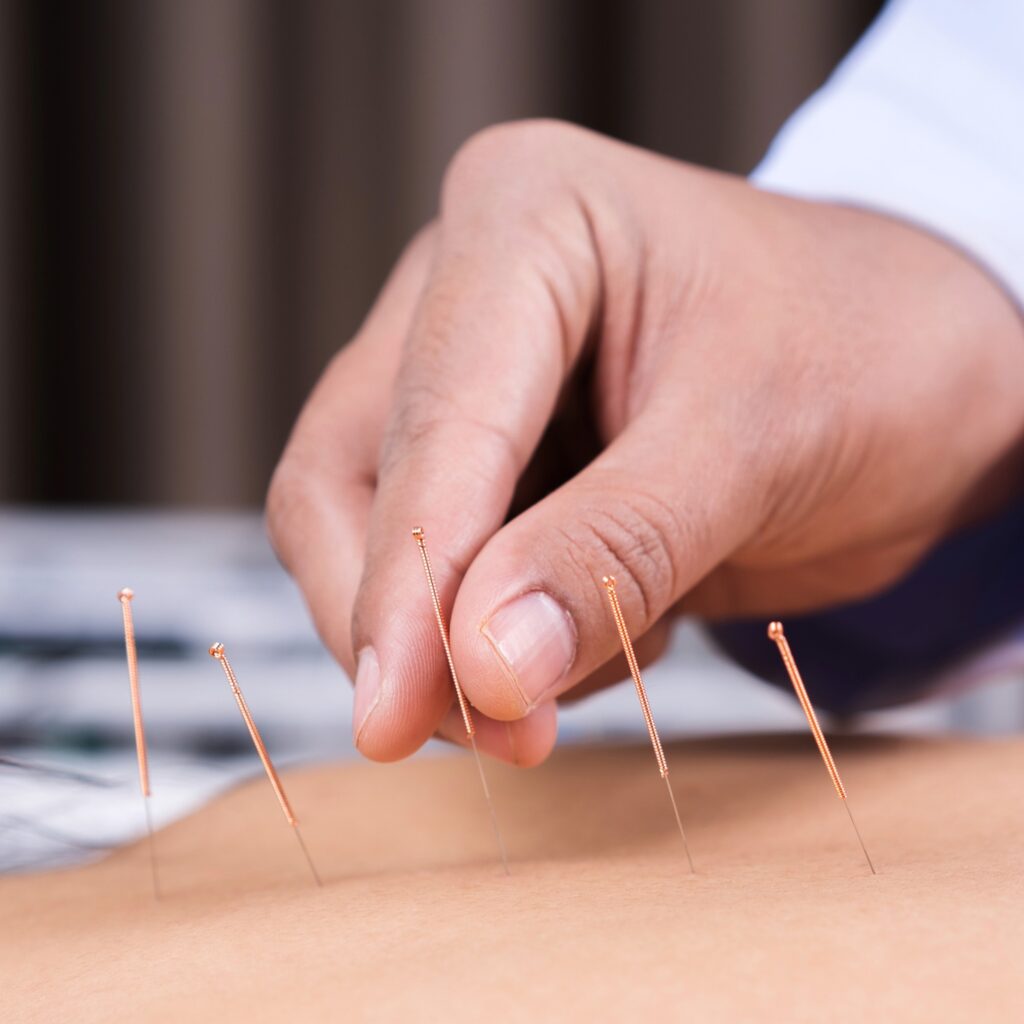
Imagine a physician pressing a slender needle into your wrist and declaring, with complete confidence, that they are redirecting the flow of invisible energy through your body. To a 21st-century Western mind, this might sound like something between a stage illusion and a fairy tale. Yet for over two thousand years, this practice — acupuncture, the jewel of Traditional Chinese Medicine (TCM) — has been systematically refined, documented, and practiced by some of the most disciplined medical scholars in human history.
So is Chinese medicine magic? Or is it science? The honest answer is: it has been both, at different times, to different people, on different sides of the world — and understanding that distinction is one of the most illuminating journeys in the history of human healing.
At Blackstone Acupuncture & Integrative Medicine, we believe that understanding where this medicine came from is just as important as knowing why it works. This article explores the fascinating, nuanced, and sometimes misunderstood evolution of Chinese medicine — from ancient ritual to contemporary clinical practice.
What Do We Mean by “Magic” vs. “Science”?
Before we can compare magic and science in the context of Chinese medicine, we need to define our terms — because these words carry very different weight depending on where and when you’re standing.
In the modern Western framework, science refers to knowledge derived from systematic observation, reproducible experimentation, and evidence-based validation. Magic, by contrast, implies the invocation of supernatural forces — things that lie outside the laws of nature as we understand them.
But here’s the critical insight: in ancient China, there was no such clean division. The Chinese worldview did not separate the natural from the supernatural the way European thought eventually would. The cosmos was a unified, living system — and medicine was about working in harmony with that system, not conquering it through isolated chemical mechanisms.
“When Western observers first encountered Chinese medicine in the 17th and 18th centuries, they saw ‘magic.’ What they were actually witnessing was a different way of knowing.”
This is why, when Western observers first encountered Chinese medicine in the 17th and 18th centuries, they saw “magic.” What they were actually witnessing was a different epistemology — a different way of knowing. Understanding this distinction changes everything.
The Ancient Roots: Shamanism, Ritual, and the Birth of Chinese Healing
The Shang Dynasty and the Wu (Spirit-Healers)
In China’s earliest recorded history — the Shang Dynasty (c. 1600–1046 BCE) — illness was understood as a spiritual disruption. Disease was punishment from ancestors, invasion by malevolent spirits, or the result of cosmic imbalance. The healers of this era, known as wu (sometimes translated as shamans or spirit-mediums), used a combination of ritual chanting, oracle bone divination, herbal remedies, and symbolic gesture to restore harmony between the patient and the spirit world.
By Western definitions, this was undeniably in the realm of magic. And yet, embedded within these spiritual practices were real empirical observations: certain plants reduced fever, others stopped bleeding, specific body points responded to pressure in consistent ways. The magic was the container; the medicine was quietly growing inside it.
The Zhou Dynasty: Philosophy Meets Physiology
The Zhou Dynasty (1046–256 BCE) marked a seismic shift. The rise of Daoist and Confucian philosophy redirected Chinese medical thinking from purely supernatural explanations toward natural principles. Concepts like Qi (vital energy), Yin and Yang (complementary opposing forces), and the Five Elements (Wood, Fire, Earth, Metal, Water) emerged as organizing frameworks for understanding bodily function.
Critically, these were not mystical frameworks in the way Westerners would later perceive them. They were sophisticated pattern-recognition systems — ways of categorizing symptoms, predicting disease progression, and choosing treatments based on observable correlations in nature. To the ancient Chinese physician, saying “a Wood imbalance is affecting the Liver” was no more mystical than a modern cardiologist saying “an electrical conduction issue is affecting the sinoatrial node.” Both are mental models applied to physical reality.
The Classical Era: When Chinese Medicine Became a Science (By Its Own Standards)
The Han Dynasty (206 BCE – 220 CE) produced the foundational texts that would define Chinese medicine for millennia. The Huangdi Neijing (Yellow Emperor’s Classic of Internal Medicine), compiled during this period, is arguably one of the most comprehensive medical texts in ancient world history. It systematically documents:
- The meridian system and its 365+ acupoints
- Pulse diagnosis methodology (28 distinct pulse qualities)
- Dietary therapy and seasonal health practices
- Emotional states as contributors to physical illness
- Preventive medicine and lifestyle optimization
This was not guesswork. It was the result of centuries of accumulated clinical observation — generations of physicians noting patterns, testing interventions, and refining theories. By the criteria of empirical medicine (observation, documentation, reproducibility), the classical Chinese medical tradition was deeply scientific — even if it didn’t use the language of molecules and cells.
Later texts like the Shennong Bencao Jing (Divine Farmer’s Materia Medica, c. 200 CE) catalogued 365 medicinal substances with indications, contraindications, and dosing guidance — rivaling anything the Western world would produce for another 1,500 years.
Cultural Divergence: Why East and West Developed Such Different Medical Worldviews
The Western Path: Dissection, Mechanism, and the Body as Machine
Western medicine’s philosophical roots trace to Ancient Greece — Hippocrates, Galen, and the humoral theory of disease. Like TCM, early Greek medicine was deeply philosophical, and its explanations (imbalanced black bile causing depression, for instance) would seem just as “magical” to a modern physician as Qi theory.
The critical divergence came during the Scientific Revolution of the 16th and 17th centuries. Western medicine embraced reductionism — the principle that to understand a system, you break it into ever-smaller parts. Andreas Vesalius revolutionized anatomy through human dissection. William Harvey described blood circulation as a mechanical pump. This materialist, mechanistic framework became the gold standard for medical credibility in Europe.
China, by contrast, did not have a Scientific Revolution in the same mold. This was not due to intellectual inferiority — Chinese scholars had produced paper, printing, gunpowder, the compass, and sophisticated mathematics centuries before Europe. Rather, Chinese culture had a different epistemological priority: understanding the whole system mattered more than dissecting its parts. The body was not a machine to be fixed — it was a dynamic ecosystem to be balanced.
The Role of Religion and State in Medical Development
In medieval Europe, the Catholic Church wielded enormous influence over medicine. Human dissection was long forbidden as desecration of the divine body. Medical knowledge was often filtered through theological interpretation, and healers who operated outside Church-approved frameworks risked accusations of witchcraft.
In China, the state actively promoted medical scholarship. Imperial governments established medical schools, funded pharmacopoeia compilations, and required court physicians to pass rigorous examinations. There was no religious authority declaring acupuncture heretical. Medicine was a scholarly and civil service pursuit, embedded in the Confucian tradition of systematic self-cultivation and social responsibility.
Magic as a Culturally Relative Label
When 17th-century Jesuit missionaries and later European traders encountered Chinese medicine, they lacked the philosophical context to interpret it. Qi was invisible. Meridians couldn’t be found on a dissection table. Pulse diagnosis seemed like divination. Without the conceptual vocabulary, Chinese medicine appeared supernatural — and “supernatural” in post-Enlightenment Europe meant unscientific, which meant invalid.
“The label ‘magic’ was an act of cultural othering. At the same moment, European physicians were still practicing bloodletting, prescribing toxic mercury compounds, and debating whether bad air caused cholera.”
The label “magic” was, in this sense, an act of cultural othering — a way of marking Chinese medicine as primitive by Western standards. The irony is that at the same moment, European physicians were still practicing bloodletting, prescribing toxic mercury compounds, and debating whether miasmas (bad air) caused cholera.
The 19th and 20th Centuries: Colonialism, Crisis, and the Near-Death of TCM
The 19th century brought Western medicine to China with considerable force — through missionaries, colonial trade, and eventually through Chinese intellectuals who studied abroad and returned convinced that Western science represented modernity while TCM represented backwardness.
After China’s defeat in the Opium Wars and the subsequent “Century of Humiliation,” reformist movements arose within China that called for wholesale adoption of Western ways — including Western medicine. In the 1920s, prominent Chinese intellectuals proposed banning TCM entirely, calling it feudal superstition that stood in the way of a modern Chinese nation.
TCM survived, but not without transformation. Under Mao Zedong in the 1950s, the Communist government faced a health crisis: China had 500 million people and nowhere near enough Western-trained doctors to serve them. Mao revived TCM as a pragmatic solution, but in doing so he also standardized and systematized it — creating the version of TCM taught in schools today, which is more codified and uniform than the diverse regional traditions from which it was drawn.
The Modern Turn: From Skepticism to Evidence-Based Integration
The 1971 Turning Point
The modern Western reappraisal of acupuncture began with a dramatic moment: in 1971, New York Times journalist James Reston accompanied President Nixon on his historic diplomatic trip to China. Reston needed an emergency appendectomy in Beijing, and afterward, Chinese physicians managed his post-operative pain using acupuncture. Reston wrote a detailed front-page account, and millions of Americans read, for the first time, a credible first-person account of acupuncture producing real, observable effects.
What Modern Research Has Found
Since the 1970s, a significant body of scientific research has investigated TCM practices. Key findings include:
- Acupuncture and Pain: Multiple randomized controlled trials and meta-analyses have demonstrated that acupuncture is significantly more effective than sham acupuncture and no-treatment controls for chronic pain conditions including back pain, neck pain, osteoarthritis, and headaches. The mechanisms likely involve stimulation of endorphin release, modulation of the autonomic nervous system, and local tissue effects.
- Herbal Medicine: Several Chinese herbal compounds have been validated by modern pharmacology. Artemisinin, derived from the Chinese herb Artemisia annua (Qinghao), revolutionized malaria treatment and earned its discoverer, Tu Youyou, the Nobel Prize in Physiology or Medicine in 2015 — arguably the most powerful validation TCM has ever received.
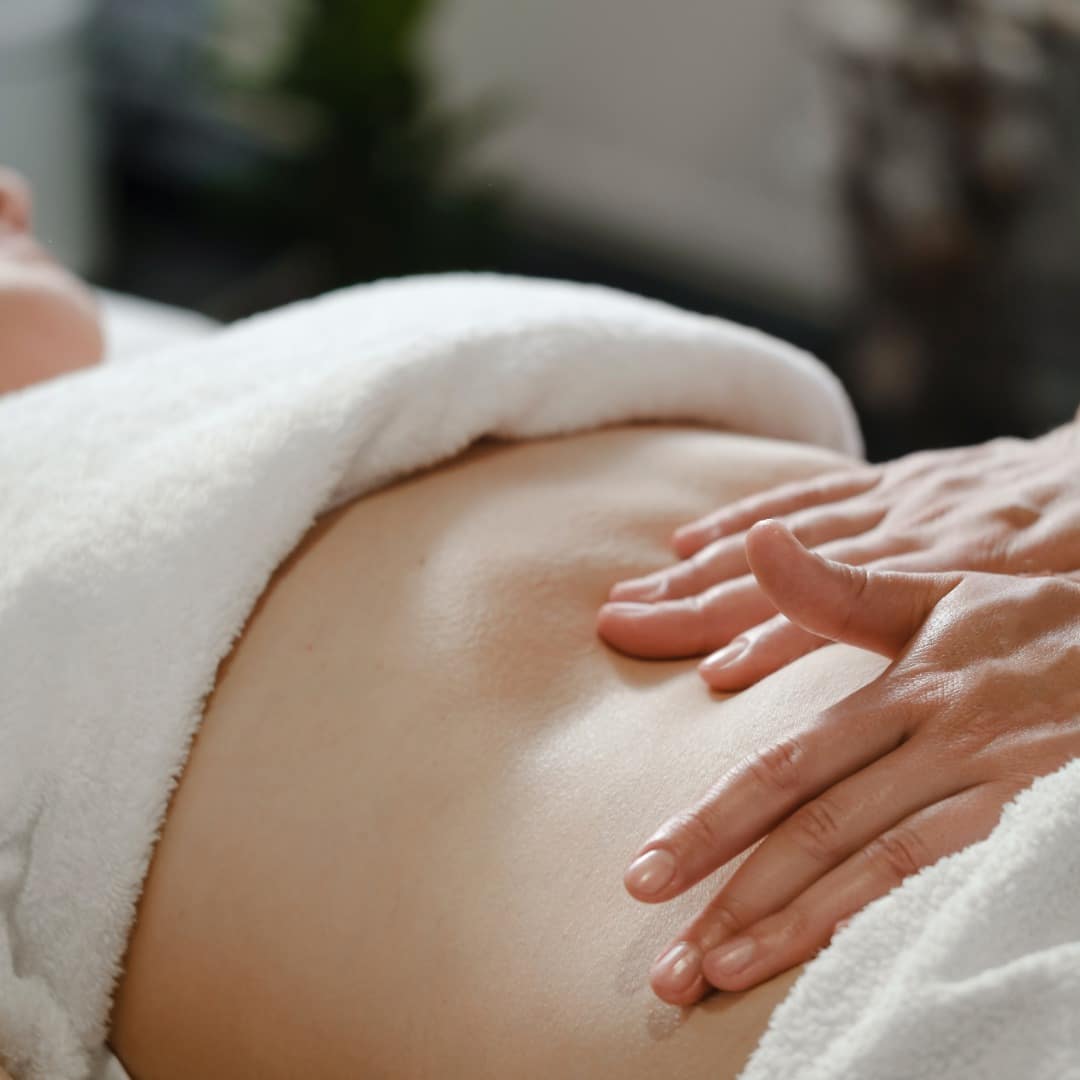
- The Gut-Brain Axis and TCM Digestion Theory: Modern microbiome research increasingly validates TCM’s ancient emphasis on digestive health as central to overall wellbeing. The TCM concept that “Spleen Qi” governs digestion and energy production maps with surprising accuracy onto what we now know about gut microbiota, nutrient absorption, and immune function.
- Mind-Body Connection: TCM has always held that emotional states directly cause physical disease. This was considered unscientific for most of the 20th century. Today, the field of psychoneuroimmunology has demonstrated definitively that chronic stress, grief, fear, and anxiety alter immune function, inflammatory markers, and hormonal balance — exactly as TCM has always claimed.
The Question of Qi: Magic or Metaphor?
The concept of Qi remains the most challenging aspect of TCM for Western scientists. It cannot be directly measured with current instruments. Does that make it magic?
Consider this: consciousness cannot be directly measured either. We have no instrument that detects the experience of pain — only its physiological correlates. Yet no reasonable person calls neuroscience “magic.” Qi may be best understood not as a mystical substance but as a functional model — a way of describing the body’s integrated functional energetics that has proven clinically useful for millennia, even before we had the vocabulary to explain its mechanisms.
Changing Perceptions in the 21st Century
The arc of history has moved decisively toward legitimacy for TCM. Consider the following milestones:
- The World Health Organization (WHO) now recognizes acupuncture as a valid treatment for over 100 conditions.
- In 2019, the WHO added TCM’s diagnostic framework to the International Classification of Diseases (ICD-11) — the global standard for medical coding.
- Major U.S. academic medical centers, including Mayo Clinic, Johns Hopkins, and Cleveland Clinic, now offer integrative medicine programs incorporating acupuncture.
- The U.S. military uses acupuncture for pain management and PTSD treatment, with multiple published studies supporting its efficacy.
- Medicare and many private insurers now cover acupuncture for chronic low back pain.
Perhaps most significantly, the growing crisis of chronic pain management in Western medicine — driven in part by the opioid epidemic — has created urgent demand for safe, effective, non-pharmaceutical pain treatments. Acupuncture has stepped into this gap with compelling evidence behind it.
Cultural Reconciliation: East Meets West in the Clinic
One of the most fascinating developments in 21st-century medicine is the genuine intellectual exchange now occurring between TCM and Western biomedicine. Researchers are using fMRI brain imaging to map which brain regions acupuncture activates. Pharmacologists are screening traditional herbal formulas through molecular analysis to identify active compounds. Clinicians are using TCM diagnostic frameworks alongside conventional labs to build more complete pictures of patient health.
In China itself, modern hospitals often operate integrated wards where patients receive both chemotherapy and acupuncture, pharmaceutical drugs and herbal formulas. This is not seen as contradictory — it’s seen as comprehensive.
The tension between “magic” and “science” in Chinese medicine is dissolving — not because TCM has been forced to prove itself on Western terms, but because Western science is increasingly confirming what TCM practitioners have observed for millennia.
What This Means for You as a Patient
At Blackstone Acupuncture, we practice a form of Chinese medicine that honors its deep historical roots while embracing modern research. We don’t ask you to believe in magic. We ask you to be open to a system of medicine that:
- Has been clinically refined over more than 2,000 years
- Is backed by a growing body of rigorous scientific research
- Treats you as a whole person — not just a diagnosis
- Works collaboratively with your existing medical care
- Has helped hundreds of millions of people, across dozens of generations, live healthier, more balanced lives
Whether you come to us with chronic pain, digestive issues, hormonal imbalance, anxiety, or simply a desire to optimize your wellbeing, we bring both the accumulated wisdom of an ancient tradition and the informed perspective of modern integrative medicine.
Conclusion: Beyond the Magic vs. Science Binary
The question “Is Chinese medicine magic or science?” is, ultimately, the wrong question.
It’s a question born from a particular cultural moment — the 18th-century European Enlightenment — that defined science and magic as opposites and used that binary to judge all other forms of knowledge. Chinese medicine predates that moment by more than a millennium, and it has continued to evolve beyond it.
What Chinese medicine actually represents is something rare in the history of human knowledge: a healing tradition that began in ritual and cosmology, developed into a sophisticated empirical science on its own terms, survived cultural catastrophe, adapted to modernity, and is now being validated — at the molecular and neurological level — by the very scientific tradition that once dismissed it.
That is not magic. That is resilience. That is wisdom. And at its best, that is medicine.