
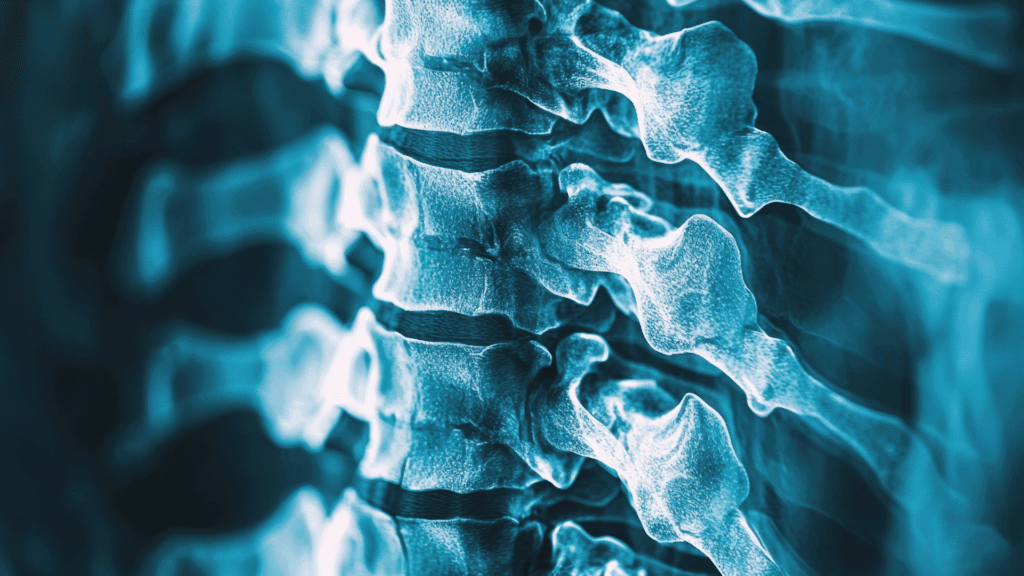
Introduction to Structural Alignment
Structural alignment is a fundamental concept that plays a significant role in health and well-being, particularly in the context of physical health and body mechanics. At its core, structural alignment refers to the proper arrangement and balance of the body’s skeletal and muscular systems. Maintaining this balance is crucial because misalignments can lead to a variety of discomforts, pain, and even chronic health issues.
The human body relies on a complex network of bones, muscles, tendons, and ligaments that work together to provide support, mobility, and stability. When any part of this system is out of alignment, it can cause undue stress on other components, leading to problems such as muscle tension, joint pain, and reduced flexibility. Structural Alignment highlights the importance of proper alignment as a way to sustain overall physical health and enhance one’s quality of life.
Furthermore, structural alignment not only affects physical health but can also have implications for mental and emotional well-being. For instance, individuals experiencing chronic pain due to misalignments may find it difficult to engage in daily activities, which can lead to frustration, stress, and ultimately depression. Therefore, it becomes evident that nurturing proper alignment is beneficial for both physical and psychological wellness.
In this exploration of Structural Alignment, we will delve into how methodologies, such as those proposed by Doc Blackstone through the lens of tensegrity in architecture, can offer insights into restoring balance and promoting holistic health. By understanding the principles of structural alignment, individuals can take proactive steps towards achieving a healthier lifestyle and mitigating potential health risks associated with misalignment.
The Concept of Tensegrity in Architecture
Tensegrity, a term derived from the combination of “tension” and “integrity,” is a design principle that has gained traction in architectural circles due to its innovative approach to structural stability. Unlike traditional construction methods that rely heavily on solid materials, tensegrity structures are characterized by a system of floating components held together by a network of cables. This unique configuration allows for the distribution of stress throughout the entire structure, offering several advantages over conventional designs.
In a tensegrity system, the compression elements do not touch each other but are rather suspended within the tensile elements. This results in a lightweight, yet incredibly strong assembly that can absorb and accommodate external forces. As a consequence, these structures often exhibit a high degree of flexibility, making them advantageous in environments subject to dynamic stresses such as earthquakes or heavy winds. Additionally, the geometric forms that arise from tensegrity lend themselves to striking visual aesthetics, which can enhance the architectural appeal of any project.
Numerous examples illustrate the successful application of tensegrity in architecture. One notable instance is Kenneth Snelson’s “Needle Tower,” a prominent sculpture that showcases the principles of tensegrity through its soaring vertical components. Another example is the Eden Project in the UK, where tensegrity principles were utilized to create geodesic domes that effectively manage stress while providing ample natural light and ventilation. Such structures not only embody innovation but also reflect a shift towards more sustainable architectural practices.
Overall, the concept of tensegrity in architecture represents a paradigm shift, emphasizing the balance of tension and compression to achieve structural integrity and visual harmony. As architects and engineers continue to explore and adopt these principles, it is clear that tensegrity has the potential to redefine modern architectural practices.
The Connection Between Tensegrity and the Human Body
Tensegrity, a term derived from the combination of “tensional integrity,” describes a structural system that employs a delicate balance of tension and compression. This innovative approach to architecture can be found not only in buildings and structures but also within the intricate design of the human body. Just as tensegrity structures rely on the interplay of isolated components held together by cables, the human body maintains its structural integrity through a similar dynamic relationship among its bones, muscles, tendons and connective tissues.
The human body exhibits an inherent tension-compression framework that is crucial for its overall stability and functionality. For example, bones provide compression while muscles and tendons exert tensile forces, allowing movement and flexibility. This synergy enables the body to withstand various physical stresses, injury, and strain, illustrating the principles of tensegrity in action. When one component is injured or compromised, the balance can shift, leading to discomfort or dysfunction, similar to how a tensegrity structure might fail if one of its components is disrupted.
Understanding the relationship between architectural tensegrity and the human body’s structural integrity can significantly inform manual adjustment techniques employed by practitioners in fields such as physical therapy and chiropractic care. By recognizing how tension and compression interact in the body, these professionals can develop targeted approaches to restore balance and alleviate pain. Moreover, integrating principles of tensegrity in treatment strategies can enhance the body’s natural healing processes, promoting optimal performance and natural functional alignment.
Ultimately, exploring the connections between tensegrity in architecture and the human body reveals a profound understanding of structural design and biomechanics that can greatly inform various therapeutic practices, ultimately benefiting individuals seeking something beyond the “quick fix” instead embracing enhanced physical well-being.
Doc Blackstone’s Approach to Manual Adjustments
Doc Blackstone’s manual adjustment techniques are deeply rooted in the traditional principles of Chinese tui na yet, incorporate the idea of tensegrity, a structural design methodology that emphasizes stability and flexibility through the arrangement of components. In the context of the human body, he believes that maintaining an optimal balance between muscles and tendons is critical for achieving proper structural alignment. This alignment improves blood flow and alleviates nerve impingements contributing to long term well-being.
At the core of Blackstone’s methodology is the assessment of muscular tension and its impact on skeletal structure. He utilizes a range of specific techniques aimed at identifying and restoring imbalances. One of the primary techniques involves manual palpation, where gentle yet precise pressure is applied to specific muscle groups. This hands-on approach allows him to detect areas of tightness or restriction that may be contributing to postural misalignment.
Once identified, Blackstone employs targeted stretches and manipulations to restore balance. He emphasizes the importance of engaging the body’s natural reflexes, allowing it to respond and adapt to adjustments. This process often includes mobilizing joints to enhance flexibility and foster greater range of motion. By focusing on the interconnectedness of muscles and tendons, his adjustments promote structural alignment, facilitating a more cohesive function of the body as a whole.
Furthermore, Doc Blackstone incorporates breathwork into his practice, recognizing its role in enhancing the body’s inherent repair mechanisms. By guiding clients to synchronize their breath with movement, he helps them achieve a state of relaxation, making adjustments more effective. This holistic approach underscores the significance of integrating physiological and psychological aspects in the journey towards restoring structural integrity. Ultimately, Blackstone’s manual adjustment techniques exemplify a comprehensive understanding of the body’s dynamics, paving the way for improved physical health and alignment.
Benefits of Structural Alignment Methods
Doc Blackstone’s methods of structural alignment through tensegrity offer a range of benefits that can significantly enhance an individual’s quality of life. One of the most notable advantages is pain reduction. Individuals often report experiencing chronic pain relief after engaging with these structural alignment techniques. By optimizing the body’s alignment, the tension and compression placed on various physical structures are balanced, allowing for a more harmonious functioning of muscles and joints. This balance leads to decreased strain and discomfort, promoting an overall sense of well-being.
Improved mobility is another key benefit associated with structural alignment methods. As the body achieves proper alignment, the range of motion in various joints typically increases. This enhanced mobility is crucial for athletes and active individuals seeking to improve their performance. Additionally, even those who lead a sedentary lifestyle can experience user-friendly improvements in their everyday movements, which can contribute to a more active lifestyle and prevention of injuries.
Furthermore, individuals who adopt Blackstone’s aligning practices frequently report enhanced overall health. When the body is aligned structurally, it optimizes the functioning of the circulatory, digestive, and nervous systems. This systemic improvement can lead to better nutrient absorption, enhanced energy levels, and an uplifted mood. Testimonials from practitioners and case studies serve as real-life evidence for these benefits, often illustrating remarkable transformations in health and vitality. Many individuals express gratitude for the holistic changes they experience through the application of Doc Blackstone’s methods, reinforcing the positive impact of structural alignment on daily living.
How Structural Misalignment Leads to Pain
Structural misalignment within the human body often serves as a significant precursor to chronic pain. The concept of alignment is intrinsically linked to the body’s overall functionality; any deviation from an optimal structural configuration can result in various physiological issues. Tensegrity, a principle derived from architecture, emphasizes the balance of tensile and compressive elements, highlighting how interconnected structures can reveal insights into human physiology.
When structural misalignment occurs, the body’s natural balance is disrupted. Muscles, tendons, and ligaments are interconnected, meaning that tension in one area can lead to imbalances that cascade throughout the entire system. For example, if the pelvis is misaligned, it can create a ripple effect influencing the spine, leading to compensatory adjustments in other regions. This compensatory action can cause excessive strain in muscles not originally affected by the misalignment, ultimately resulting in discomfort and chronic pain over time. Physiologically, this is attributed to the overload of specific muscle groups while others become underutilized, creating a cycle of tension and weakness.
Furthermore, structural misalignment can impact the nervous system, altering communication pathways that are vital for pain perception and muscle coordination. When structural elements fail to maintain their intended positions, the nervous system may misinterpret signals, contributing to chronic tension and initiating pain responses. The body’s innate ability to compensate can obscure the root of the problem, making it challenging to identify the actual source of pain and leading to a need for more extensive interventions.
Ultimately, understanding how structural alignment influences pain is crucial for developing effective treatment approaches. By employing methods that incorporate principles from tensegrity, practitioners can address not only the symptoms but also the underlying structural misalignments, promoting overall healing and functionality.
Practical Applications of Tensegrity Principles in Therapy
Tensegrity, a term derived from “tension” and “integrity,” embodies an innovative structural principle that can be effectively utilized in various therapeutic practices. At its core, tensegrity posits that structures can maintain stability through a balance of tension and compression. This concept can be translated into therapeutic contexts, particularly in holistic health and physical therapy, where it can promote recovery and enhance overall well-being.
In physical therapy, the application of tensegrity principles encourages practitioners to adopt a more comprehensive approach to patient treatment. For instance, by understanding how muscles and connective tissues interact dynamically, therapists can develop regimens that focus not just on isolated muscle groups but on the body as an integrated whole. This aligns with the tensegrity model, whereby the integrity of the structure relies on the cooperation of all its parts. By fostering awareness of these relationships, patients may experience improved stability and performance during rehabilitation.
Additively, the principles of tensegrity can enhance therapeutic interventions related to posture and movement. Integrating these principles helps practitioners design exercises that reinforce proper alignment and balance within the body, thereby reducing the risk of injury. Techniques such as somatic practices and bodywork can be enhanced by tensegrity, permitting individuals to develop a deeper kinesthetic awareness, which aids in the recuperation process.
Moreover, the psychological implications of tensegrity in therapy are noteworthy. Emphasizing connectedness can elicit sensations of support and stability, enriching a patient’s emotional landscape during the healing journey. This holistic integration acknowledges that physical recovery is inextricably linked to mental and emotional health, fostering a more resilient individual.
By embedding the principles of tensegrity into therapeutic practices, professionals can innovate treatment modalities that resonate with patients’ needs, ultimately enhancing recovery and fostering a holistic approach to health.
Case Studies and Success Stories
Doc Blackstone’s methods of structural alignment through tensegrity in architecture have garnered significant attention due to their efficacy in promoting well-being and alleviating pain. Numerous case studies documented by clients illustrate the transformative effects of these techniques, revealing how a holistic approach can lead to improved health outcomes.
One notable case is that of a client who had been experiencing chronic back pain for over a decade. After numerous unsuccessful interventions, the client sought treatment through Doc Blackstone’s methods. By applying the principles of tensegrity, which emphasizes balance and stability in the body’s structural alignment, the client underwent a comprehensive assessment followed by a series of targeted sessions. Remarkably, within a few weeks, the client reported a substantial reduction in pain levels and an enhanced range of motion, allowing for a gradual return to daily activities that had previously been hindered.
Another compelling example involves an athlete who struggled with recurring injuries that plagued their performance. The athlete engaged with Doc Blackstone’s approach, which focuses on the interconnectedness of body systems and their structural integrity. Through personalized sessions that addressed specific misalignments, the athlete not only recovered from the initial injuries but also experienced improved agility and strength. These advancements ultimately led to enhanced competitive performance, illustrating how structural alignment techniques can be advantageous even in highly demanding physical disciplines.
These anecdotal experiences underscore the effectiveness of Doc Blackstone’s methods in achieving functional benefits and enhancing overall well-being. Clients’ testimonials consistently highlight improvements in mobility, reduction in discomfort, and increased energy levels as direct outcomes of structural alignment practices. The evidence presented in these case studies not only reinforces the validity of the approach but also inspires confidence in individuals seeking alternative solutions for their health challenges.
Conclusion: The Future of Structural Alignment in Health
In summary, the exploration of Doc Blackstone’s methods of structural alignment through the lens of tensegrity reveals significant insights applicable to both architecture and health practices. The principles of structural alignment, characterized by a harmonious balance of tension and integrity, emphasize the importance of connectivity and support within physical frameworks. This is particularly relevant when considering human anatomy and the underlying mechanics that govern movement and function. As healthcare practitioners increasingly recognize the relevance of biomechanical alignment, integrating the concept of tensegrity becomes imperative for fostering holistic health.
The implications of applying tensegrity in health practices extend beyond mere physical alignment. By adopting a comprehensive understanding of how structures interact and support one another, healthcare professionals can enhance patient outcomes through integrative therapies. These approaches not only address physical ailments but also promote a deeper awareness of the intricate relationship between body, mind, and environment. This holistic perspective is essential, especially as we confront the challenges posed by sedentary lifestyles and ergonomic discrepancies prevalent in contemporary society.
Future research could delve deeper into the quantifiable benefits of applying tensegrity principles in rehabilitative and preventive healthcare strategies. Investigating the correlation between structural alignment and overall health could yield invaluable insights, leading to the development of more effective treatment modalities. As the healthcare field continues to evolve, a commitment to understanding and implementing structural alignment through tensegrity will be crucial. By bridging architecture’s foundational principles with health practices, we possess a unique opportunity to innovate care methods — ultimately contributing to a more resilient population. The future of structural alignment in health promises to be a field rich with potential for advancement and discovery.