
Medical qigong is a therapeutic practice within Traditional Chinese Medicine that uses breath, focused attention, and gentle movement to balance your body’s energy (qi) and promote healing. Unlike general qigong practiced for wellness, medical qigong requires a highly trained practitioner with many years of experience to diagnose your specific condition using Chinese medicine principles and create a targeted treatment plan. You might receive hands-on energy work from a practitioner or learn prescribed exercises to practice at home. Both approaches aim to remove energy blockages, strengthen deficiencies, and invigorate your body’s natural healing capacity.
This article walks you through everything you need to know about medical qigong as a therapeutic modality. You’ll learn why qi flow matters for your health, how to practice qigong safely, and what happens during a typical session. We’ll explain the different forms of medical qigong, examine the scientific evidence and potential benefits, discuss any risks to consider, and show you how to find a qualified practitioner. Whether you’re exploring alternatives to surgery, managing chronic pain, or simply curious about this ancient healing art, you’ll finish with a clear understanding of whether medical qigong suits your health goals.
Why medical qigong matters for your health
Your body contains an intricate energy system that directly influences your physical and emotional well-being. When this energy becomes blocked or imbalanced, you experience symptoms ranging from chronic pain and fatigue to anxiety and digestive problems. Medical qigong addresses these issues at their energetic source rather than simply masking symptoms with medication or invasive procedures. Medical qigong administered by a trained professional helps thousands of people every year to avoid surgery, manage conditions that resisted conventional treatment, and reclaim health without pharmaceuticals.

Addressing root causes, not just symptoms
Medical qigong works differently from conventional medicine by treating the underlying energetic imbalances that create your symptoms. When you visit a qualified practitioner, your entire energy system will be assessed using Chinese medicine diagnostics to identify where blockages, deficiencies, or excesses exist. A practitioner might discover that your knee pain stems from blocked energy in your liver meridian rather than just a structural problem, or that your anxiety connects to a deficiency of heart energy rather than purely chemical factors. This root-cause approach explains why medical qigong often succeeds where other treatments have failed.
Medical qigong identifies and treats the energetic patterns causing your symptoms, not just the symptoms themselves.
Prevention and early intervention benefits
You don’t need to wait until a condition arises or becomes severe to benefit from medical qigong. Early intervention can prevent minor imbalances from developing into chronic diseases or conditions requiring surgery. Regular practice strengthens your body’s self-healing mechanisms, improves circulation, and maintains balanced energy flow throughout your system. Patients have used medical qigong to avoid knee and shoulder surgeries by addressing the energetic and structural issues before they progressed to surgical necessity. Your immune system functions more effectively when your energy flows smoothly, making you more resilient against illness and better equipped to recover from injuries or stress.
Internal, external, and self-care forms of medical qigong
Medical qigong operates through three distinct therapeutic approaches that work together or independently to address your health concerns. Understanding what is medical qigong means recognizing these different applications, each serving a specific healing purpose. Internal medical qigong involves prescribed exercises you perform yourself to activate your body’s healing capacity. External medical qigong involves a practitioner directing energy to you during treatment sessions. Self-care practices maintain your health between professional treatments or after you’ve resolved your initial condition. Your practitioner determines which approach suits your diagnosis, though many treatment plans combine all three forms for comprehensive healing results.
Internal medical qigong practices
Your practitioner prescribes specific exercises tailored to your energetic diagnosis when using internal medical qigong. These prescriptions might include particular breathing patterns, focused meditation techniques, or gentle movements designed to address your exact condition. A practitioner treating your chronic headaches might prescribe exercises that move energy downward from your head, while someone with digestive issues receives completely different practices targeting stomach and spleen meridians. You perform these exercises daily, following your practitioner’s precise instructions for posture, duration, and breathing patterns. Internal practice activates your innate healing mechanisms, teaching your body to maintain balanced energy flow without external intervention.

Internal medical qigong prescriptions are as specific to your diagnosis as medication would be, not general exercises anyone can practice.
External medical qigong treatments
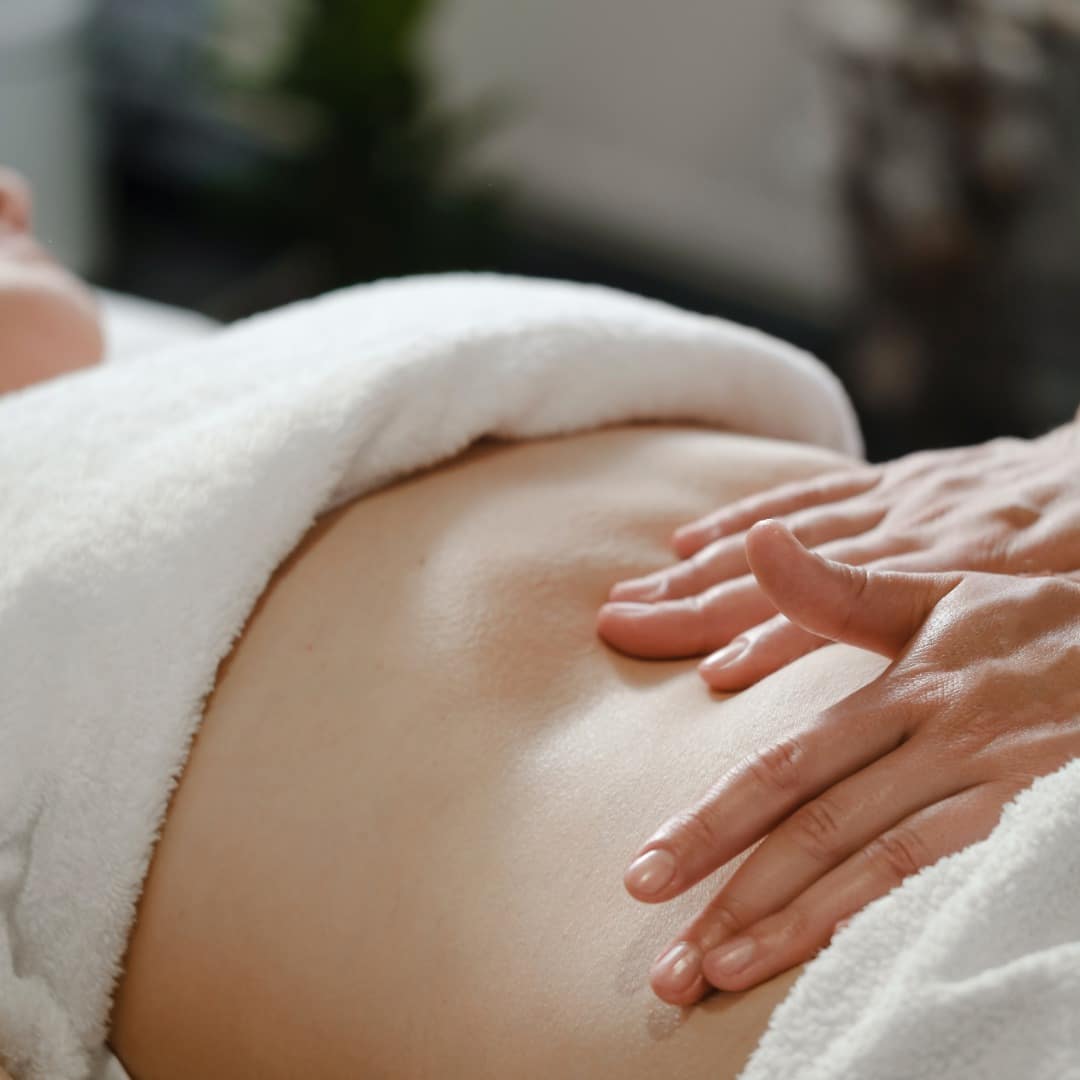
External medical qigong involves your practitioner directing energy into your body during hands-on treatment sessions. Your practitioner projects their cultivated energy through their hands, working within your energy field to purge excesses, tonify deficiencies, and harmonize imbalances. This process requires extensive training and personal cultivation on the practitioner’s part, making it a highly specialized skill distinct from simple touch therapy. You remain still and relaxed during treatment, often experiencing sensations like warmth, tingling, or coolness as blocked energy releases. External treatments provide immediate therapeutic effects and often accompany internal practice prescriptions for faster, more comprehensive healing results.
Self-care maintenance practices
Self-care qigong maintains your health after completing medical treatment or prevents future imbalances from developing. Your practitioner teaches you ongoing exercises suited to your constitution and health goals rather than targeting specific pathology. These practices focus on general wellness, stress management, and strengthening your overall energy rather than treating active disease. You continue self-care practice indefinitely as preventative maintenance, similar to regular exercise or healthy eating habits. Many patients incorporate 15 to 20 minutes of daily self-care qigong into their routines, finding it keeps them energetically balanced and reduces their susceptibility to illness or injury.
What to expect in a medical qigong session
Your first medical qigong session begins with a comprehensive consultation where your practitioner evaluates your health history, current symptoms, and energy patterns. This initial assessment differs significantly from conventional medical exams because your practitioner examines how energy flows through your body rather than just analyzing physical symptoms. You’ll answer questions about your sleep, digestion, emotional state, and pain patterns while your practitioner may check your pulse, examine your tongue, and observe your posture. This information helps establish your energetic diagnosis and treatment strategy, clarifying what is medical qigong’s approach to your specific condition.
Initial consultation and assessment
Your practitioner spends 15 to 30 minutes during your first visit gathering detailed information about your health history and current concerns. You describe when symptoms began, what makes them better or worse, and any treatments you’ve already tried. Your practitioner uses Chinese medicine diagnostics to identify whether your condition stems from energy blockages, deficiencies, or excesses. This assessment determines whether you need external energy work, internal practice prescriptions, or both approaches combined.
The treatment experience
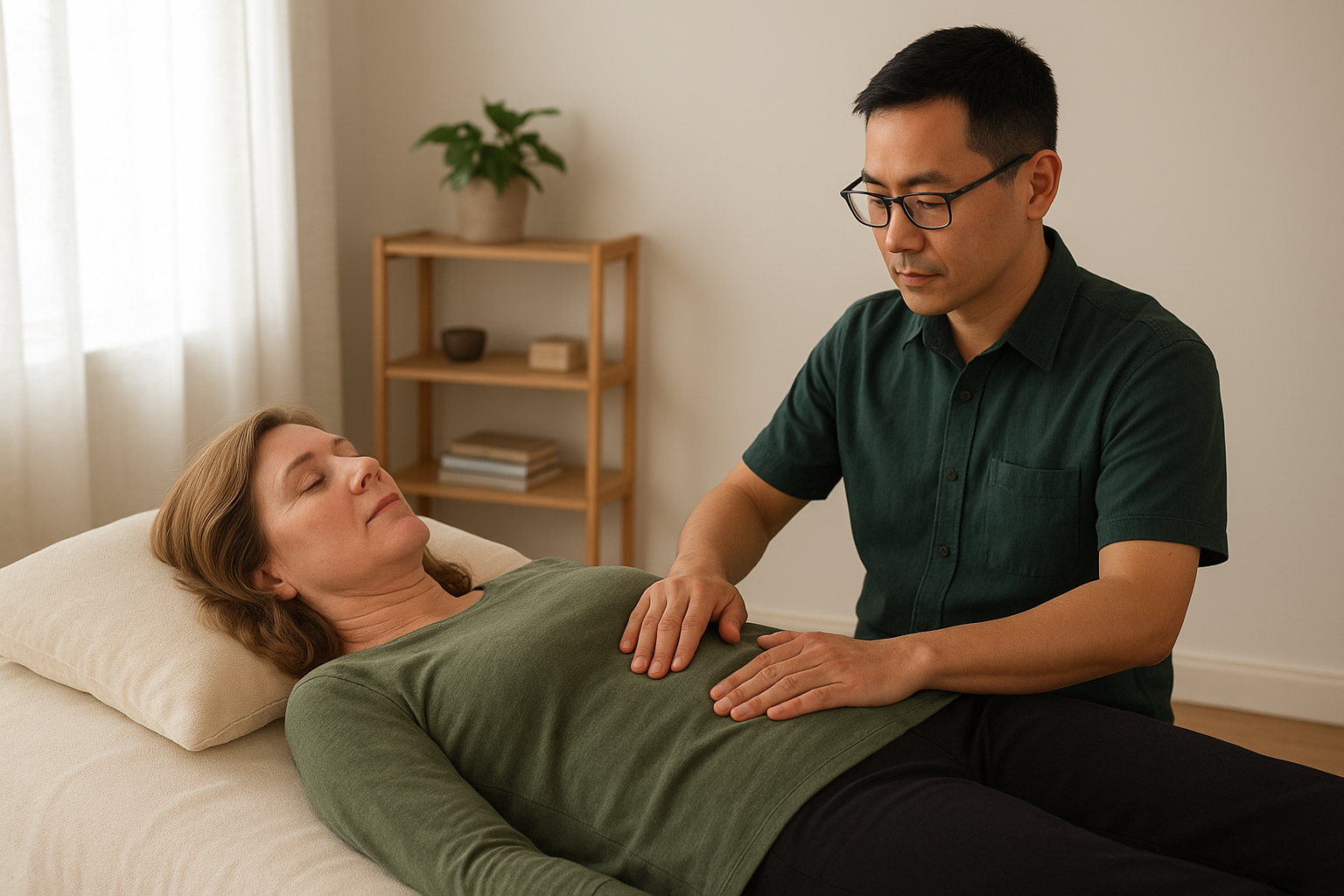
During external medical qigong treatment, you typically lie on a treatment table while remaining fully clothed in comfortable attire. Your practitioner works within a few feet of your body, sometimes using light touch to guide energy movement. Sessions usually last 45 to 90 minutes, with your practitioner maintaining continuous hands-on attention throughout. You might experience warmth, tingling, coolness, or gentle vibrations as blocked energy releases and moves through your system. Many patients describe the experience as deeply relaxing, though emotional releases occasionally occur as stored tension disperses.
After your session
You may feel immediately refreshed and energized or temporarily tired as your body processes the energetic shifts from treatment. Your practitioner often prescribes specific exercises or breathing techniques for home practice between sessions. Most conditions require multiple sessions scheduled weekly or biweekly, depending on your diagnosis severity and response to treatment. Your practitioner adjusts your treatment plan as your condition improves, gradually reducing session frequency while building your capacity for self-care maintenance.
Benefits, risks, and scientific evidence
Scientific research demonstrates that medical qigong produces measurable health benefits across multiple conditions, though the quality and quantity of studies varies by specific application. Understanding what is medical qigong through evidence-based research helps you make informed decisions about incorporating it into your healthcare plan. Systematic reviews published between 2017 and 2021 examined hundreds of studies involving thousands of participants, revealing consistent positive effects for chronic pain, respiratory conditions, cardiovascular health, and psychological well-being. Most research focuses on combined interventions where medical qigong supplements conventional treatment rather than replacing it, showing that integration with standard care produces superior outcomes compared to conventional treatment alone.
Documented health benefits
You gain the most reliable evidence for medical qigong’s effectiveness in managing chronic pain conditions, particularly fibromyalgia, neck pain, and musculoskeletal disorders. Studies involving 1,787 participants demonstrated significant pain reduction when people practiced qigong for 30 to 40 minutes daily over six to eight weeks. Research shows these benefits persist four to six months after completing treatment programs. Chronic obstructive pulmonary disease patients experience improved lung function, reduced anxiety and depression, and enhanced exercise capacity when adding qigong to standard respiratory treatments. A 2020 review of 31 studies with 3,045 participants confirmed these respiratory benefits across programs lasting two to six months.
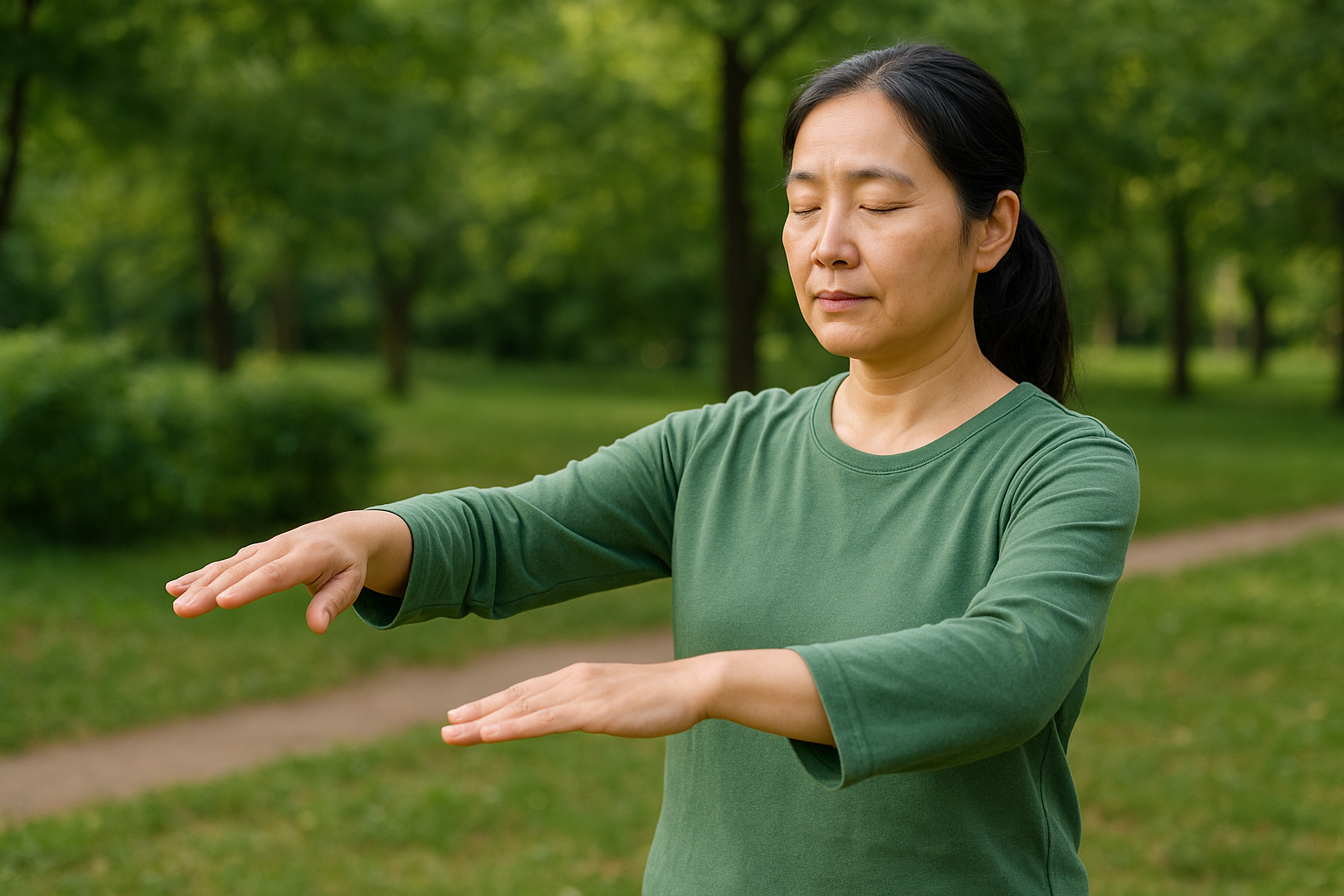
Medical qigong shows consistent benefits for chronic conditions when practiced regularly as part of a comprehensive treatment approach.
Cardiovascular and neurological conditions respond favorably to regular medical qigong practice according to multiple systematic reviews. People with chronic heart failure who practiced tai chi or qigong alongside routine management improved their peak oxygen consumption, walking distance, and quality of life compared to those receiving only conventional care. Parkinson’s disease patients gained better movement control, walking ability, and balance through qigong-based exercise programs, with younger adults showing more pronounced improvements than older participants. Early research suggests potential cognitive benefits for people with mild cognitive impairment when they practice 45 to 60 minutes three to seven times weekly for at least 12 weeks.
Safety considerations and potential risks
Medical qigong carries minimal risk when practiced under qualified practitioner guidance, with most studies reporting zero adverse effects among participants. Research reviews examining thousands of participants across various chronic diseases and age groups consistently found medical qigong safe for older adults and people with serious health conditions. When side effects occurred, they affected less than 10 percent of participants and included temporary muscle soreness, mild headaches, or brief fatigue similar to starting any new physical activity. You should avoid medical qigong during acute illness phases or postpone practice if experiencing severe symptoms until consulting your practitioner.
Pregnant women require modified practices, as certain movements and breathing techniques may not suit pregnancy stages. No research exists examining medical qigong’s safety during pregnancy specifically, though one 2010 study of 70 pregnant women found similar exercises safe and beneficial for maternal well-being and fetal interaction when adapted appropriately. You must inform your practitioner about pregnancy, recent surgeries, or serious medical conditions so they can adjust your treatment protocol accordingly. External qigong performed by improperly trained practitioners carries potential risks for both patient and practitioner, which emphasizes the importance of verifying credentials before treatment.
Scientific research and evidence quality
Current research provides promising evidence for medical qigong’s effectiveness, though scientists acknowledge that study quality varies considerably across the field. Many reviews note that while positive results appear consistently, researchers need larger, more rigorously designed randomized controlled trials before making definitive clinical recommendations. Studies often involve small participant numbers, short follow-up periods, or lack standardized treatment protocols, making it difficult to compare results across different programs. You should view medical qigong as an evidence-supported complementary therapy rather than a replacement for necessary conventional medical care, particularly for acute or life-threatening conditions requiring immediate intervention.
How to find a qualified medical qigong practitioner
Finding a qualified medical qigong practitioner requires careful research because no federal or state regulations govern this field, and practitioners vary widely in training depth and expertise. You need someone with legitimate Chinese medicine training and hundreds of hours in medical qigong specifically, not just someone who completed a weekend workshop or online certification. Start by verifying that potential practitioners have substantial educational credentials from reputable schools and can explain their training lineage clearly. Your health deserves a practitioner who understands both the theoretical foundations and practical applications of Chinese medicine diagnostics.
Verify training hours and certification levels
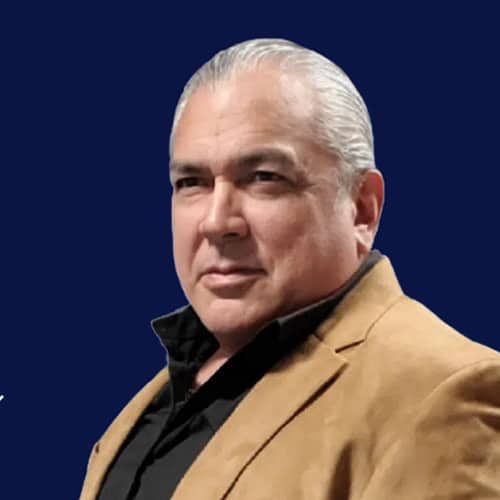
After two decades of qigong training with several well known martial artists Doc Blackstone received more specialized training in the application of Medical Qigong for healing from 2004 to 2007 with the venerable master Li Jun Feng in Austin, Texas. At the time, master Li was calling his newly developed style Sheng Zhen Wuji Yuan Gong. You should expect legitimate medical qigong practitioners to have completed at least 300 hours of specialized training in medical qigong beyond their basic Chinese medicine education. Reputable programs structure their training progressively, with Medical Qigong Practitioner certification at 300 hours, Advanced Practitioner at 600 hours, Master level at 1,000 hours, and Doctor level at 2,000 hours or more. Ask potential practitioners directly about their training hours and where they studied, then verify those schools maintain high standards. Understanding what is medical qigong means recognizing that proper training requires years of study, not quick certifications that promise expertise in weeks.
True medical qigong expertise requires hundreds or thousands of training hours, not weekend workshops or online courses.
Assess clinical experience and specialization
Your practitioner’s clinical experience matters as much as their formal training, particularly with conditions similar to yours. Ask how many years they have practiced medical qigong professionally and whether they specialize in treating your specific health concern. A practitioner who has successfully treated hundreds of patients with chronic pain brings vastly more practical knowledge than someone who recently finished training. Request patient testimonials or success stories related to your condition, and observe whether they explain their treatment approach clearly and confidently during your initial consultation.
Evaluate their diagnostic approach and treatment philosophy
You deserve a practitioner who conducts thorough energetic assessments using Chinese medicine diagnostics before prescribing treatment. During your consultation, notice whether they ask detailed questions about your health history, examine your pulse and tongue, and explain how they arrived at your specific diagnosis. Practitioners who immediately suggest generic exercises without proper assessment lack the diagnostic expertise required for true medical qigong practice. Your practitioner should demonstrate genuine interest in understanding your unique condition and articulate a clear treatment plan tailored specifically to your energetic patterns.

Key takeaways
You now understand what is medical qigong and how it differs from general wellness qigong through its diagnostic precision and therapeutic targeting. This ancient Chinese medicine modality uses breath, focused attention, and gentle movement to address energy imbalances causing your symptoms rather than masking them temporarily. Medical qigong requires proper professional assessment before you begin any prescribed exercises, and qualified practitioners complete hundreds or thousands of training hours to develop their expertise. Research demonstrates consistent benefits for chronic pain, respiratory conditions, cardiovascular health, and psychological well-being when practiced regularly under proper guidance.
Your healing journey begins with finding a properly trained practitioner who conducts thorough energetic diagnostics and creates personalized treatment plans for your specific condition. Doc Blackstone Acupuncture combines medical qigong with needle-free acupuncture techniques to provide comprehensive healing without invasive procedures. Experience this unique approach to medical qigong and discover how it addresses the root causes of your health concerns.