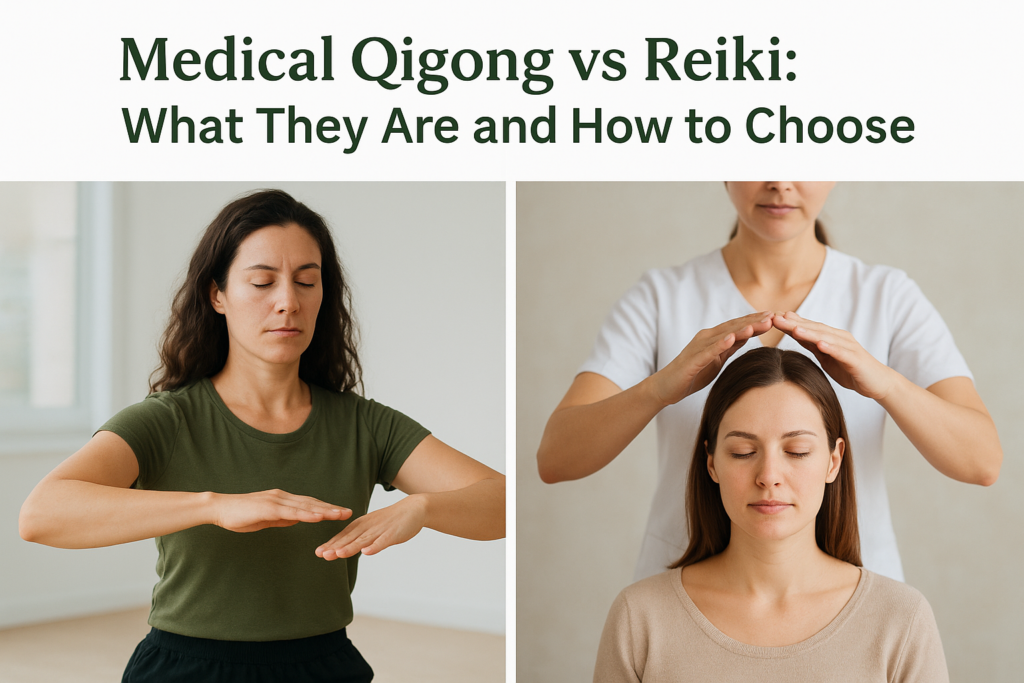
Medical qigong vs reiki is a question that comes up when you’re exploring energy healing options beyond conventional medicine. Both practices work with your body’s energy system to promote healing and balance, but they take different approaches. Medical qigong comes from Traditional Chinese Medicine and involves movement, breath work, and energy cultivation. Reiki originated in Japan and focuses on channeling universal energy through the practitioner’s hands. If you’re considering either practice for pain relief, emotional well-being, or chronic health issues, understanding how they differ helps you make the right choice.
This article breaks down what medical qigong and reiki actually are, how they work, and what happens during a session. You’ll learn the key differences in practice and philosophy, which conditions respond best to each approach, and how to choose between them based on your specific needs. We’ll also cover training requirements, safety considerations, and what to look for in a qualified practitioner so you can move forward with confidence.
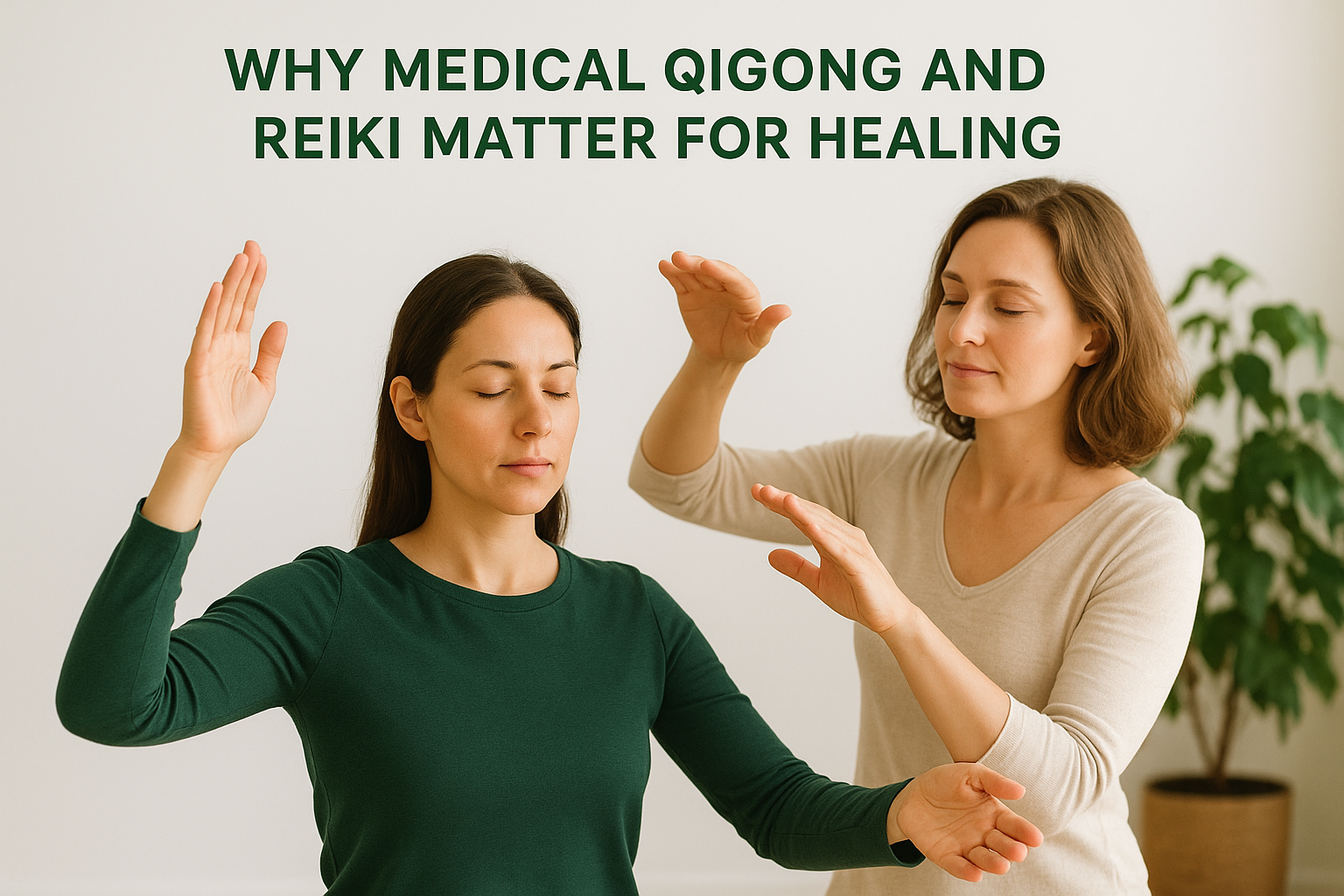
Why medical qiqong and reiki matter for healing
Both practices offer you alternatives to medication and surgery when conventional treatments fall short or cause unwanted side effects. Your body has an innate capacity to heal itself, and these energy-based approaches work with that natural intelligence rather than against it. When you’re dealing with chronic pain, stress-related conditions, or emotional issues that don’t respond well to standard medical care, medical qigong vs reiki becomes a practical question worth exploring.
The growing need for complementary healing options
Your healthcare system increasingly recognizes that pills and procedures alone can’t address every health challenge. Conditions like anxiety, fibromyalgia, and autoimmune disorders often require a more holistic approach. Medical qigong and reiki fill this gap by addressing the energetic imbalances that underlie physical symptoms. You might notice improvements in areas your doctor couldn’t help with, from sleep quality to immune function.
These practices matter because they give you agency over your healing process without dependence on external interventions.
The practical appeal is straightforward. You can use these methods alongside conventional treatment to enhance recovery, or as standalone practices for prevention and wellness. Both approaches have helped thousands of people reduce pain, improve emotional balance, and avoid surgeries they thought were inevitable.
How to choose between medical qigong and reiki
Your decision between medical qigong vs reiki comes down to what you need from the practice and how you prefer to engage with healing. If you want to actively participate in your recovery through movement, breath work, and self-cultivation, medical qigong fits that approach. When you prefer to receive healing energy while lying still and letting a practitioner do the work, reiki serves that purpose. Your personality, physical abilities, and health goals all play a role in which practice will benefit you most.
Your specific health goals determine the better fit
Physical conditions that involve structural issues, chronic pain, or mobility problems tend to respond better to medical qigong because the practice includes movement and breath work that directly affects your muscles, joints, and organ systems. You’re working with energy that already exists within your body and learning to circulate it more effectively. Choose reiki when your concerns are primarily emotional, stress-related, or involve energy blockages without a strong physical component. The hands-on energy transfer works well for anxiety, trauma recovery, and general wellness maintenance.
Medical qigong gives you tools to practice independently, while reiki typically requires sessions with a trained practitioner.
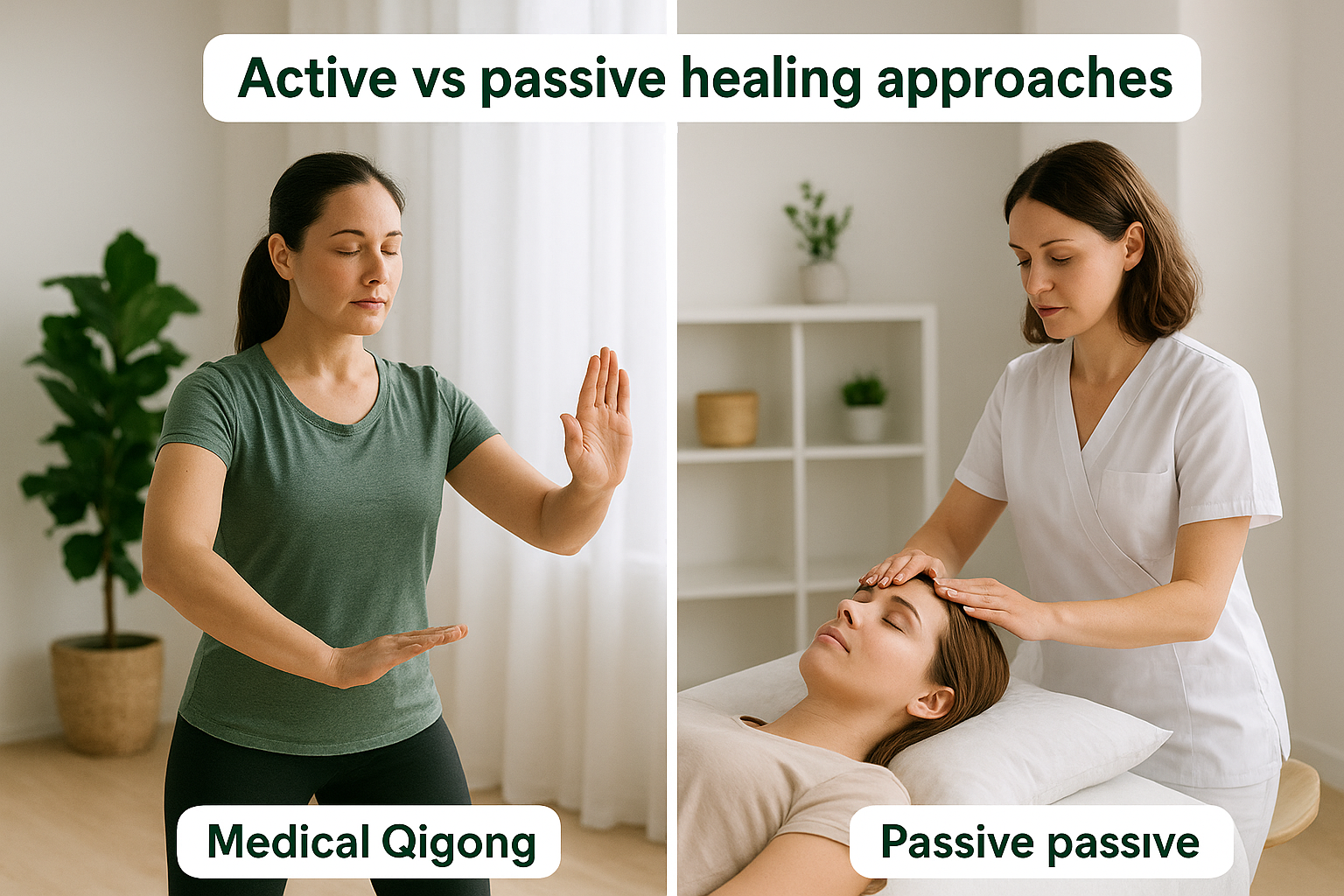
Active vs passive healing approaches
Your preference for self-directed healing versus receiving treatment shapes which practice suits you better. Medical qigong requires you to learn exercises, coordinate breathing patterns, and develop body awareness over time. You build a personal practice that becomes part of your daily routine. Reiki allows you to lie down and receive without effort on your part, making it accessible even when you’re exhausted or dealing with severe symptoms. The passive nature means you don’t need to remember sequences or perform specific movements.
Time commitment and learning curve considerations
Building a medical qigong practice takes longer because you’re developing skills and understanding energy cultivation principles. You might spend weeks or months before noticing significant changes, though some people experience immediate benefits. Reiki offers faster initial results with less learning required from you. Sessions typically last 60 to 90 minutes, and many people feel relaxation or relief immediately. Your schedule and patience level matter when choosing between them.
What medical qigong is and what to expect
Medical qigong combines movement exercises, breathing techniques, and focused intention to cultivate and direct your body’s vital energy (called qi). You work with energy that already exists inside you, learning to circulate it through specific pathways called meridians. This practice comes from Traditional Chinese Medicine and addresses health problems by removing blockages, strengthening weak organs, and balancing your overall energy system. When comparing medical qigong vs reiki, the key distinction is that you’re actively working with your own energy rather than receiving energy from an external source.
The three components of medical qigong practice
Your practice involves coordinated movement, controlled breathing, and mental focus working together. You learn specific postures and gentle movements that stretch meridians and activate energy flow. Breathing patterns follow these movements, helping qi circulate through your body. Your mental focus directs where energy goes and how it behaves. This combination gives you direct influence over your internal energy systems in ways you can’t achieve through exercise alone.
Medical qigong teaches you to sense and move energy inside your body, which becomes a lifelong self-care skill.
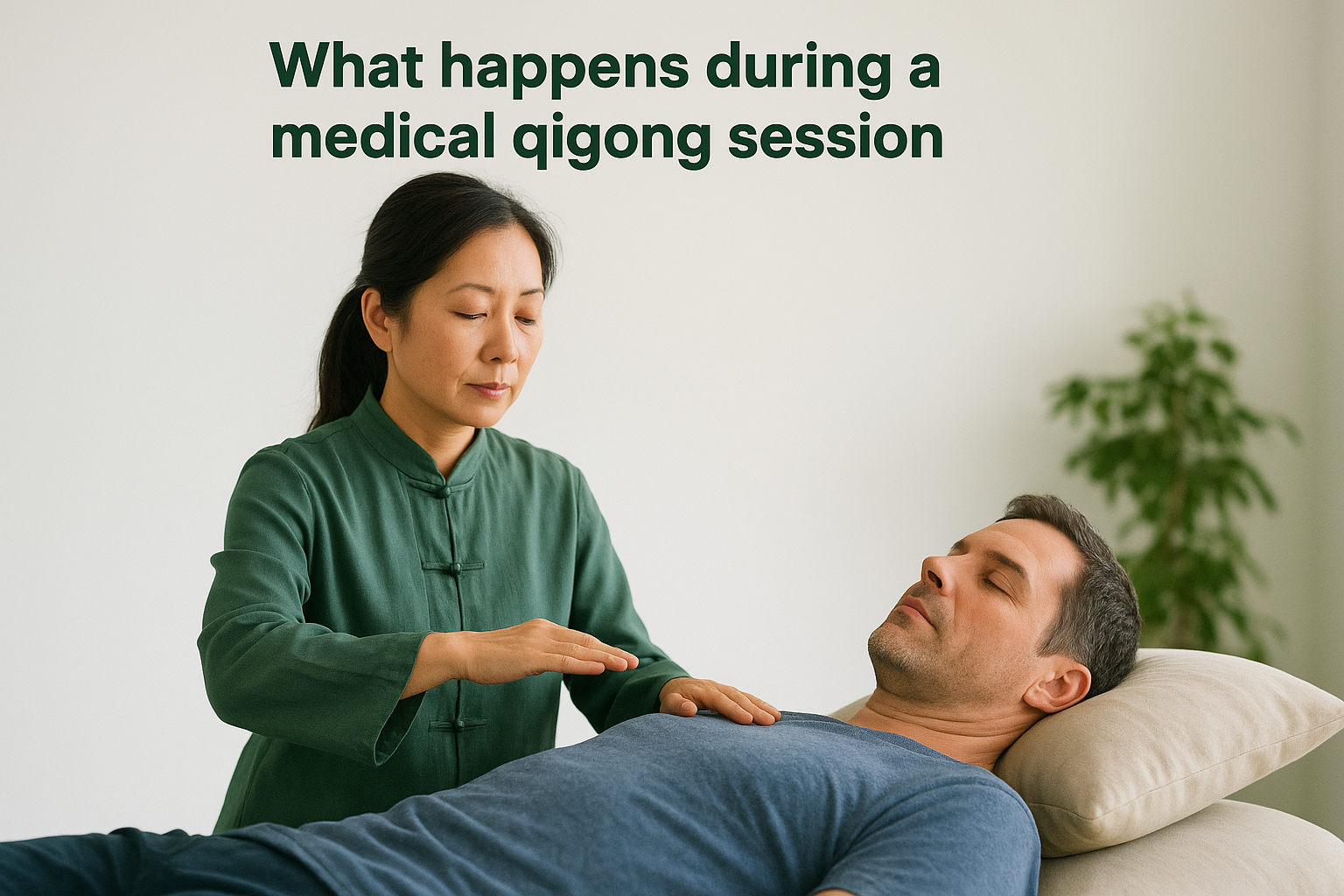
What happens during a medical qigong session
Your practitioner assesses your energy imbalances through pulse diagnosis, tongue observation, and discussion of your symptoms. They might perform external qi transmission, where they direct energy into specific points on your body without touching you or using needles. You’ll also learn exercises tailored to your condition that you practice at home between sessions. Sessions typically last 60 to 90 minutes, and your practitioner adjusts techniques based on how your energy responds. Most people need several sessions before noticing significant changes, though some experience immediate improvements in pain or energy levels.
What reiki is and what to expect
Reiki channels universal life force energy through a practitioner’s hands into your body to promote healing and balance. The practice originated in Japan in the early 1900s and focuses on directing energy from outside yourself rather than cultivating what already exists within you. When you compare medical qigong vs reiki, reiki stands out as a passive receiving experience where you lie still while energy flows into specific areas that need healing. Your practitioner acts as a conduit for universal energy, placing their hands on or near your body without the movement exercises or breath work required in medical qigong.
How reiki energy transfer works
Your reiki practitioner doesn’t use their own personal energy for healing, which means they won’t feel drained after treating you. They channel universal energy through their hands that flows to wherever your body needs it most. This energy transfer happens through light touch or hands hovering just above your skin. You might feel warmth, tingling, or a sense of peace during the session, though some people feel nothing physical while still experiencing benefits afterward. The energy automatically goes to blockages or imbalances without requiring conscious direction from you or the practitioner.
Reiki works with your body’s natural intelligence, directing healing energy where it’s needed most without force or manipulation.
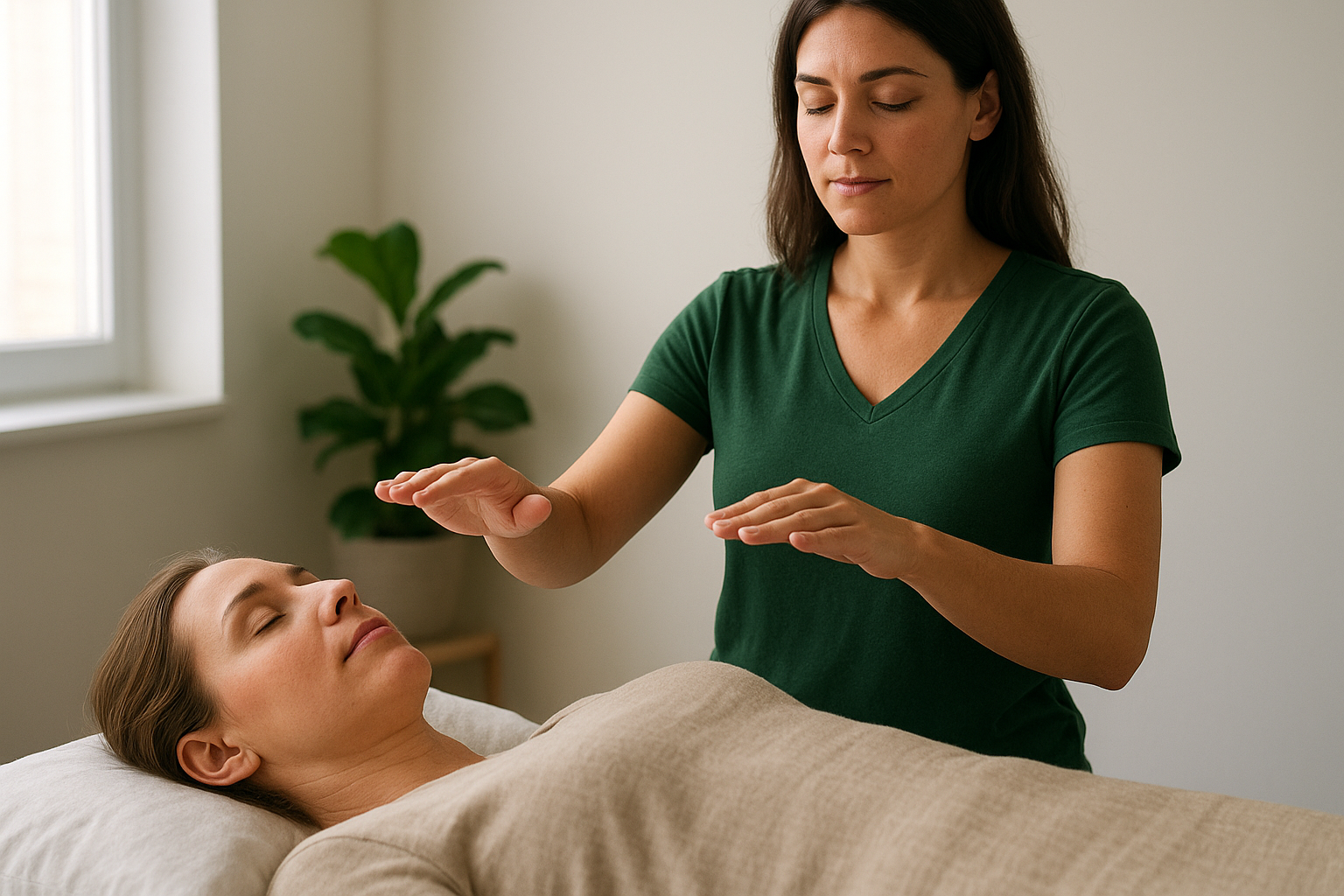
What happens during a reiki session
You lie fully clothed on a massage table while your practitioner places their hands in specific positions on or above your body, typically starting at your head and moving down. Each hand position lasts three to five minutes, and a full session takes 60 to 90 minutes. Most people feel deeply relaxed or even fall asleep during treatment. After your session, you might notice immediate stress relief, better sleep, or reduced pain, though some people need multiple sessions before experiencing noticeable changes in chronic conditions.
Safety, training, and finding a practitioner
Both practices are generally safe with minimal risk of adverse effects when performed by trained practitioners. Medical qigong vs reiki differs in safety concerns because qigong involves physical movement that could potentially strain your body if you push too hard or practice incorrectly. Reiki carries virtually no physical risk since you remain still throughout the session. Your main consideration is finding qualified practitioners who follow proper training protocols and ethical guidelines.
Safety considerations for both practices
Medical qigong requires you to move within your comfortable range and avoid forcing positions that cause pain. Your practitioner should assess your physical limitations before teaching exercises. Reiki poses no physical danger, but you should inform your practitioner about sensitive areas or recent surgeries they should avoid touching. Neither practice replaces emergency medical care or treatment for serious conditions like cancer or heart disease.
Both medical qigong and reiki work best as complementary therapies alongside conventional medical treatment, not as replacements.
Finding qualified practitioners near you
Your best approach is to verify credentials and training before booking sessions. Medical qigong practitioners should have certification from recognized schools with at least 500 hours of training. Reiki practitioners need Level II certification minimum for client work. Ask about their experience with your specific condition and request references from previous clients with similar issues.
Putting it all together
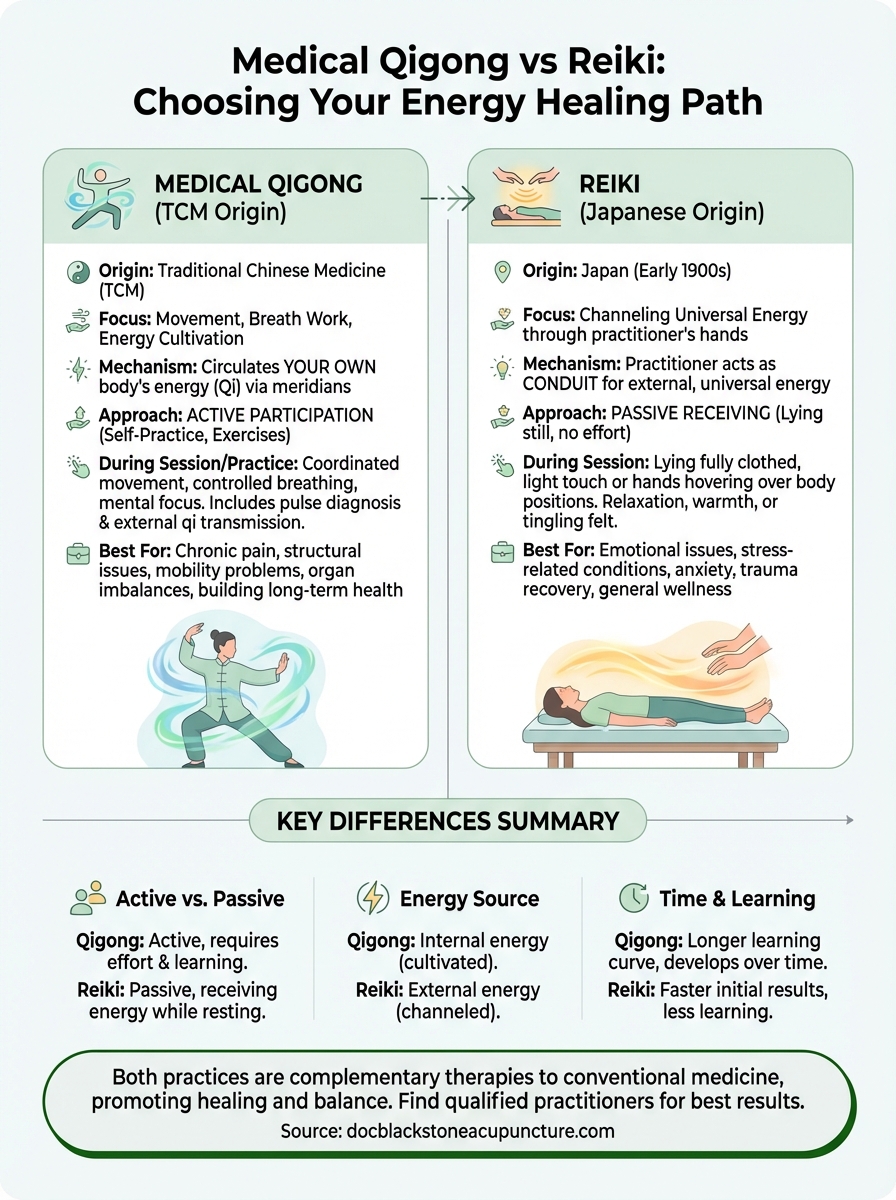
Your choice between medical qigong vs reiki depends on whether you want an active self-practice or prefer receiving hands-on healing. Medical qigong gives you movement exercises and breathing techniques you can use daily to address chronic pain, structural issues, and organ system imbalances. Reiki offers passive energy healing that works well for stress relief, emotional balance, and general wellness without requiring you to learn complex movements. Both practices complement conventional medical care and provide natural alternatives when standard treatments fall short.
Finding a skilled practitioner makes all the difference in your results. Doc Blackstone’s needle-free acupuncture practice integrates Medical Qigong into a comprehensive healing system that addresses structural alignment, chronic pain, and complex health conditions. His 35 years of experience combines ancient energy cultivation techniques with modern anatomical understanding, offering you personalized treatment that goes beyond what traditional acupuncture or standalone energy work provides.