You’ve probably already read about needle-free acupuncture. You know it exists. You know it involves tools other than needles, that it comes from Asian traditions, that it’s gentle and effective.
But here’s what most of those articles don’t tell you: not all needle-free acupuncture is the same. And the difference between a practitioner who avoids needles out of convenience and one who has spent 35 years mastering the art is the difference between modest relief and life-changing results.
This post is about the latter.
Why “Needle-Free” Is Harder Than It Looks
Conventional acupuncture uses needles as an essential tool — a direct, physical way to stimulate a point. Remove the needle and you essentially render the therapy ineffective. What remains requires something most practitioners simply don’t have: the diagnostic sensitivity and hands-on mastery to achieve the same result through direct or indirect physical contact and energy alone.
This is why genuine needle-free acupuncture is rarer than the internet suggests. Most practitioners who claim to practice it are applying basic acupressure or light tool contact — useful, but a fraction of what the tradition allows for.
True needle-free acupuncture, practiced at its highest level, is more demanding than conventional needling — not less.
What Doc Blackstone Actually Does (And Why It’s Different)
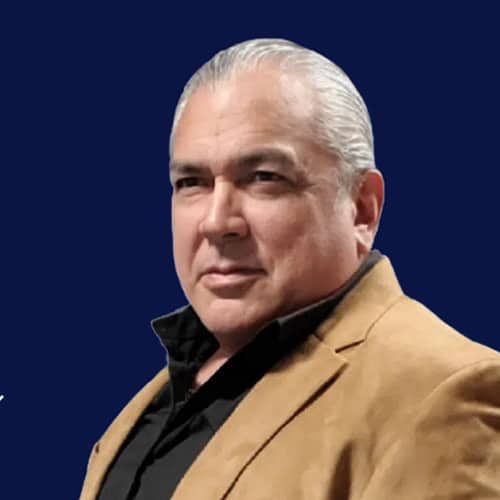
Steven “Doc” Blackstone has practiced in the Alamo Heights area of San Antonio since 2021. Needle-free methods have been the foundation of his work for over two decades. His healing knowledge spans nearly 4 decades. His approach draws from three specific traditions most practitioners never master:
Tui Na – is a form of Chinese therapeutic bodywork that uses rhythmic pressing, rolling, kneading, and stretching techniques applied along the body’s meridian pathways and acupressure points. Like acupuncture, it works within the framework of Traditional Chinese Medicine — balancing Qi, addressing stagnation, and harmonizing organ systems — but uses the hands and fingers rather than needles. Doc was a protege of Dr. Yongxin Fan (China).
Japanese Toyohari Acupuncture— a style developed by blind practitioners whose heightened tactile sensitivity produced diagnostic and treatment methods of extraordinary refinement. Doc trained under masters of this tradition and applies it daily.
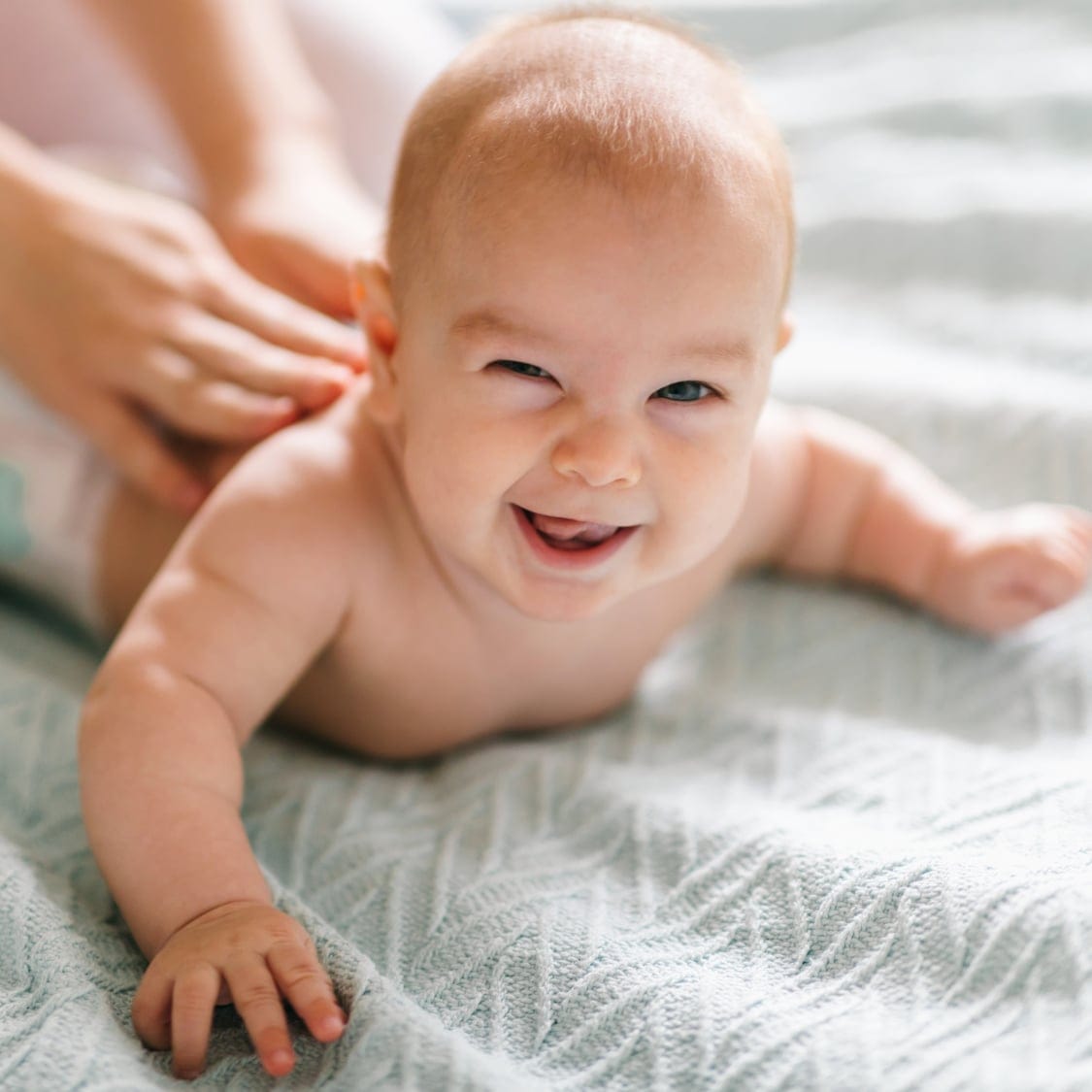
Shonishin — a pediatric branch of Japanese acupuncture designed specifically for children, using gentle brushing, pressing, and tapping along meridian pathways. Doc’s methods were inspired by the venerable practitioner Miki Shima.
Medical Qigong – is a branch of Traditional Chinese Medicine in which a trained practitioner projects or guides Qi — through breath, intention, and precise hand movements — to clear energetic blockages, regulate organ function, and restore balance within the patient’s body. It may be applied hands-on or from a distance, and patients are often given prescriptive exercises and meditations to continue their healing between sessions. Doc has had formal training with Master Li Jun Feng and follows mainly the Taoist methods as imparted by Dr. Jerry Alan Johnson.
* Sacred Healing Tree is Doc’s own integrated healing system, developed over 30+ years, combining Toyohari style diagnostic and therapeutic methods, Tui Na, structural alignment, Medical Qigong, and Western anatomical understanding into a single unified approach.
The result is something that looks nothing like what most people imagine when they think of acupuncture — and produces results that regularly stun patients who’ve exhausted every other option.
The Ceramic Spoon: A Technique No One Else Has
If you search the entire internet for “ceramic spoon acupuncture technique,” you’ll only find information about guasha- a superficial scraping technique. However, if you research “acupuncturist who uses a ceramic spoon to prevent surgery” then you will only find Steven “Doc” Blackstone, who uses the tool as a precision instrument to make permanent corrections to muscles and tendons that can only be rendered by highly skilled surgeons.
When you give any other acupuncturist a ceramic spoon and say, “Put this to good use.” the first thing they are doing to attempt is guasha, because that is the limit of their knowledge. Doc has developed complex manipulation techniques using the spoon for deep muscle and tendon reformation. The spoon allows him to realign connective tissue, break up adhesions, and restore biomechanical function in the knee, shoulder, and spine without breaking the skin, and without surgery.
This technique alone has allowed hundreds of patients from San Antonio and abroad to cancel scheduled procedures for rotator cuff repairs, knee replacements, and spinal surgeries.
The Teishin: Precision Without Penetration
The teishin is a small, blunt-tipped metal stylus used in Toyohari practice to contact acupuncture points without piercing or pressure. In the hands of a less experienced practitioner, it’s a basic tool. In Doc’s hands, after 35 years of refinement, it becomes an instrument of extraordinary precision, like a laser — capable of influencing Qi flow, releasing energetic blockages, and producing the same therapeutic results as inserted needles.
The difference is in the practitioner, not the tool.
One Patient. Undivided Attention. Every Session.
Here’s something you won’t find in generic needle-free acupuncture articles: the model matters as much as the method.
Traditional acupuncture clinics often treat multiple patients simultaneously — inserting needles and rotating between rooms. That model is impossible with Doc’s approach. Needle-free therapy requires continuous hands-on contact throughout the entire session. Doc works with one patient at a time, for the full duration of treatment, adapting in real time as the body responds.
No two sessions are identical. Treatment evolves as healing progresses. This level of individualized attention is rare in any medical context — and it’s central to why Doc’s results are what they are.
Who Comes to See Doc Blackstone?
Patients travel from around the world to Doc’s Alamo Heights clinic at 5108 Broadway in San Antonio. From there he serves patients from every neighborhood — from the Medical Center to Stone Oak, Helotes to Converse.
The people who find him are often at the end of a long road: multiple specialists, failed physical therapy, pain medications that stopped working, a surgery date on the calendar they don’t want to keep.
What they find is something they didn’t expect — a practitioner who listens, who assesses the whole body rather than chasing isolated symptoms, and who regularly achieves results that their previous doctors said weren’t possible.
The Bottom Line
Other blogs will tell you something about needle-free acupuncture. They’ll explain Toyohari, list the tools, describe the meridians.
What they can’t tell you is what it feels like to get off a treatment table and walk without the limp you’ve had for three years. They can’t describe the feeling of canceling your surgery the day before you were scheduled to go under the knife because doctors told you that was the only option. Or to feel your body shift during a single session in a way no treatment ever has before.
The most dramatic results are not from needle-free acupuncture in general. That’s Doc Blackstone specifically — and there’s no one else in San Antonio that can do the same.
Call Doc directly at (512) 351-0021, or visit the clinic at 5108 Broadway St., Suite 226, Alamo Heights, San Antonio, TX 78209.