Active recovery for athletes means moving your body at low intensity on rest days instead of sitting completely still or lying on the couch. You perform gentle exercises like walking, swimming, or yoga that keep blood flowing to fatigued muscles without adding new stress or damage to tired tissue. This approach helps your body repair faster by delivering more oxygen and nutrients to damaged areas while clearing out metabolic waste that accumulates during intense training sessions. Think of it as active healing rather than passive waiting.
This guide shows you how to build effective active recovery sessions into your training schedule for maximum benefit. You’ll learn which specific low intensity exercises work best for different muscle groups, understand how active recovery differs from complete rest, and discover why increased blood flow matters for tissue regeneration and muscle repair. We’ll also explore holistic therapies that complement your recovery routine and help you bounce back stronger and faster for your next high intensity workout or competition.
Why active recovery is crucial for athletic performance
Your body doesn’t get stronger during workouts. It gets stronger during recovery periods when your muscles repair microscopic damage and rebuild themselves with greater capacity. Active recovery speeds up this process by keeping your circulatory system engaged without adding new stress to already fatigued tissue. When you perform gentle movement on rest days, you maintain blood flow to damaged muscles, which delivers the oxygen and nutrients they need to heal while removing waste products like lactic acid and inflammatory byproducts that slow down repair.
Prevents overtraining syndrome and reduces injury risk
You risk overtraining syndrome when you push your body hard every single day without giving it proper recovery time. This condition goes beyond simple fatigue and includes symptoms like persistent muscle soreness, decreased performance, mood disturbances, and increased susceptibility to illness. Active recovery for athletes provides a middle ground between complete rest and intense training. Your nervous system gets a break from high stress loads while your muscles continue receiving the blood flow they need to heal properly.
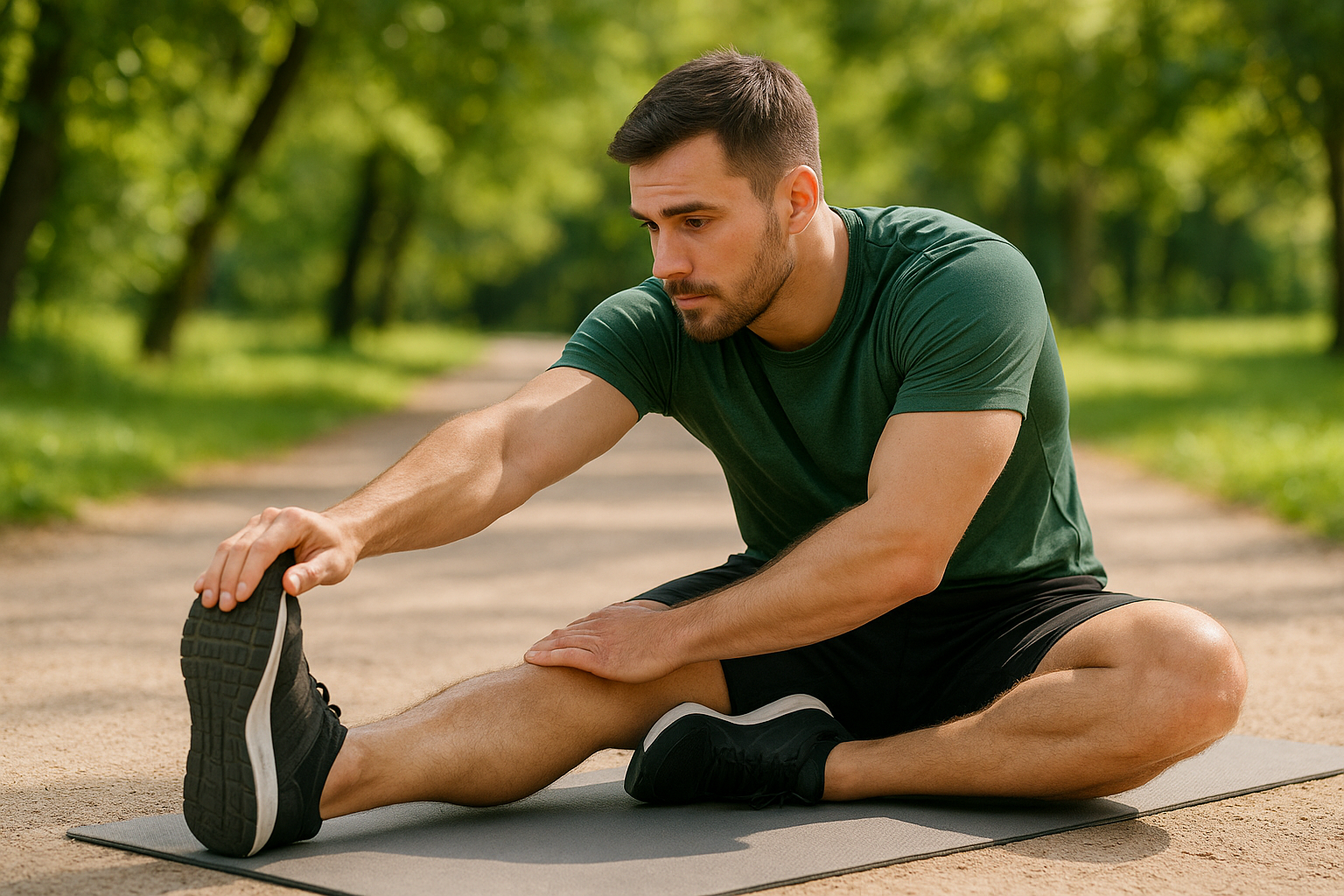
Complete rest might seem like the safest option, but it can actually leave you more vulnerable to injury when you return to training. Your muscles stiffen up during total inactivity, reducing your range of motion and making you more prone to pulls and strains. Light movement keeps your tissues pliable and maintains the neuromuscular connections that help you move efficiently during competition.
"Movement is medicine for creating change in a person’s physical, emotional, and mental states."
Accelerates muscle protein synthesis and adaptation
Your muscles need protein synthesis to repair and grow stronger after intense workouts. This rebuilding process requires adequate blood flow to deliver amino acids and other nutrients to damaged muscle fibers. When you engage in low intensity movement, you increase circulation throughout your body without triggering additional muscle breakdown. Research shows that gentle activity enhances nutrient delivery to muscle tissue more effectively than lying completely still.
Recovery also involves clearing metabolic waste that accumulates during hard training. Products like hydrogen ions and damaged cellular components need to be flushed out before your muscles can fully recover. Active recovery sessions help your lymphatic system remove this waste more efficiently than passive rest alone.
Maintains training consistency and mental freshness
Athletes who incorporate regular active recovery can train more consistently throughout the year compared to those who oscillate between extreme effort and complete rest. You avoid the boom and bust cycle where you train hard until you’re forced to take days or weeks off due to injury or burnout. Instead, you maintain a sustainable rhythm that keeps your body adapting progressively without overwhelming your recovery capacity.
Mental benefits matter just as much as physical ones. Active recovery sessions give you psychological relief from the pressure of intense training while keeping you engaged with movement and your athletic identity. You stay connected to your body and your sport without the mental fatigue that comes from constantly pushing your limits. This approach helps you maintain enthusiasm for training over months and years rather than burning out after a few intense weeks.
How to structure effective active recovery sessions
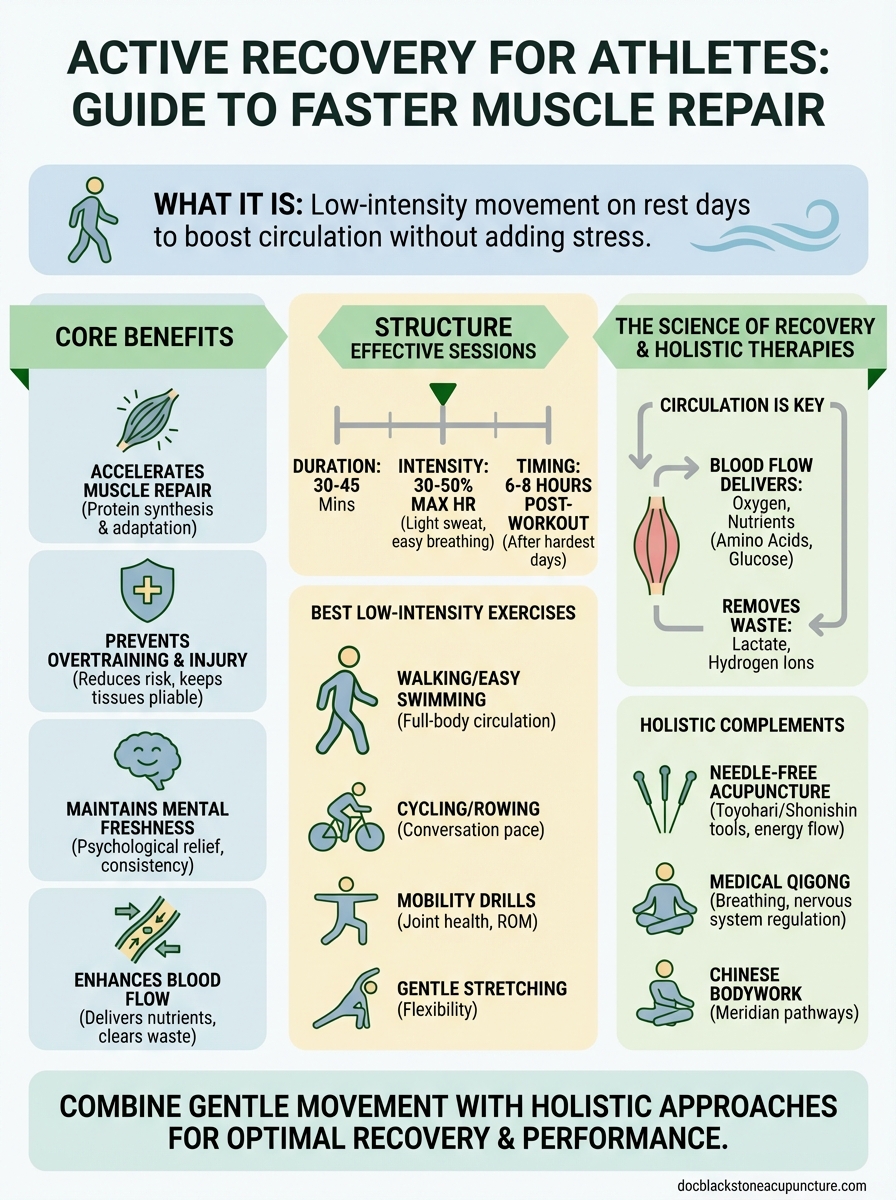
You build effective active recovery sessions by targeting 30 to 45 minutes of low intensity movement that raises your heart rate to roughly 30 to 50 percent of your maximum capacity. This duration and intensity level provides enough stimulus to increase blood flow without creating additional muscle damage or fatigue. Your body temperature should rise slightly and you should break a light sweat, but you need to finish feeling more energized than when you started.
Match recovery intensity to training load
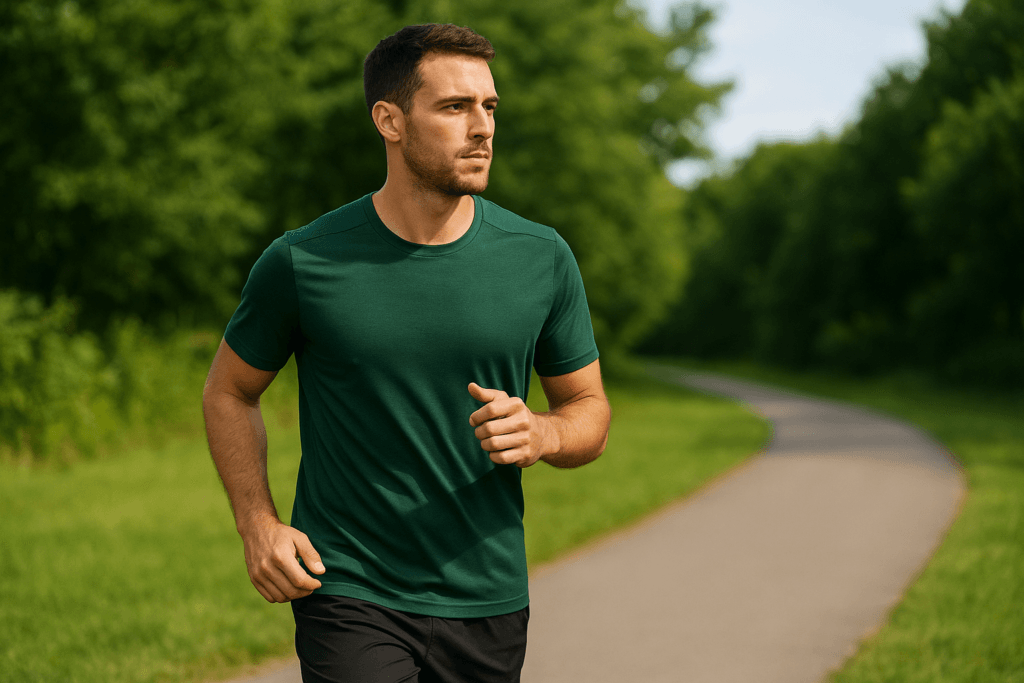
Your active recovery intensity depends on how hard you trained the previous day. After extremely demanding workouts like competition or max effort sessions, you need gentler recovery activities like walking or easy swimming that barely elevate your heart rate. Following moderate training days, you can handle slightly higher intensity recovery like light jogging or casual cycling that gets you breathing deeper without creating breathlessness.
Check your perceived exertion throughout each session to ensure you stay in the recovery zone. You should be able to hold a normal conversation without gasping for air or needing to pause between sentences. If you can’t talk comfortably, you’re working too hard and adding stress instead of promoting recovery.
Schedule recovery around your training cycle
You structure active recovery for athletes based on your weekly training pattern rather than following a rigid calendar. Place recovery sessions the day after your hardest workouts when your muscles need the most repair support. Athletes following a typical training week might schedule active recovery on Wednesdays after Tuesday intervals and on Sundays after Saturday long runs or competitions.
Your recovery needs change throughout different training phases. During base building periods when training intensity stays moderate, you might only need one dedicated recovery session per week. Peak training blocks with multiple high intensity days require two or three recovery sessions to maintain performance and prevent overtraining. Listen to persistent muscle soreness, elevated morning heart rate, or declining performance as signals that you need additional recovery work regardless of your planned schedule.
"Recovery is not passive. It requires intention, awareness, and sometimes movement to optimize the body’s natural healing processes."
Time your sessions for maximum benefit by scheduling them at least six to eight hours after hard training. This gap allows your body to complete its initial inflammatory response before you introduce new movement. Morning recovery sessions work well for most athletes since they provide a gentle start to the day and prepare your body for regular daily activities.
Best low-intensity exercises for rest days
You choose recovery exercises based on which muscle groups took the hardest beating during your previous workout. The best options promote blood circulation without creating additional muscle damage or central nervous system fatigue. Each activity should feel easy enough that you could maintain it for an hour if needed, though your actual sessions will run much shorter. Select movements that complement your primary sport rather than repeating the exact same motion patterns you use during hard training.
Walking and easy swimming for full-body recovery
Walking delivers complete body circulation benefits without impact stress on recovering joints and muscles. You maintain a comfortable pace that allows normal breathing and conversation while covering 2 to 3 miles in your recovery session. This simple activity works exceptionally well after leg intensive workouts like running intervals or heavy squats because it promotes blood flow through fatigued muscles without adding concentric or eccentric loading.
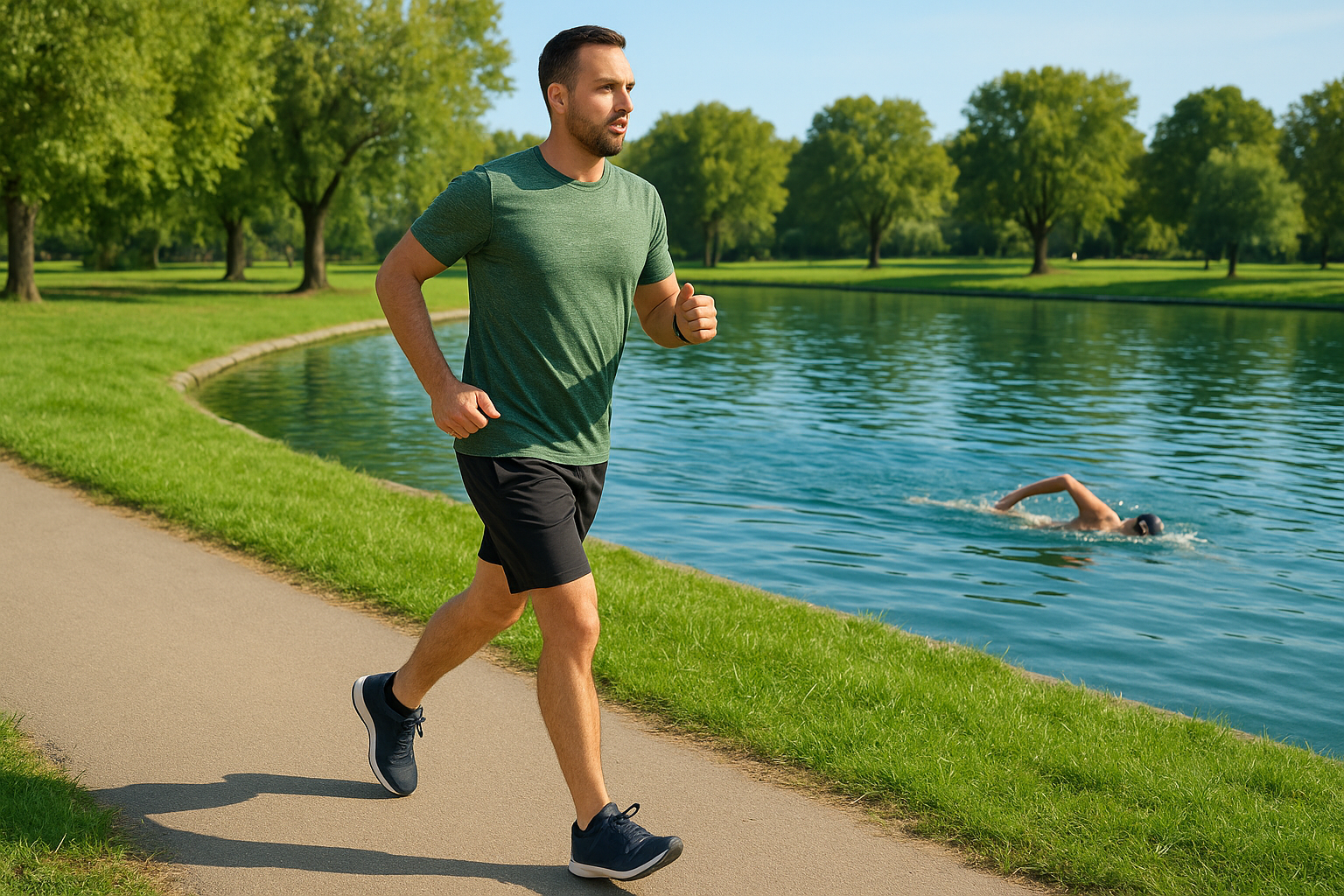
Swimming provides similar benefits with the added advantage of hydrostatic pressure that helps reduce inflammation and supports lymphatic drainage. You move through the water at a leisurely pace, focusing on smooth strokes rather than speed or power output. The buoyancy of water removes gravitational stress on your joints while the gentle resistance keeps your muscles engaged just enough to maintain circulation throughout your entire body.
"The best recovery exercise is one that moves your body gently enough to enhance healing while giving your nervous system permission to rest."
Cycling and rowing at conversation pace
Stationary cycling gives you precise control over resistance and intensity during active recovery for athletes. You set the bike to minimal resistance and spin at 80 to 90 revolutions per minute, maintaining an effort level where you could easily read a book or watch television without breathing hard. This rhythmic movement pumps blood through your legs particularly well after running workouts while sparing your joints from additional impact.
Rowing machines engage your upper and lower body simultaneously at low intensity levels. You focus on smooth, controlled strokes that emphasize technique over power, keeping your stroke rate around 18 to 20 per minute with light resistance settings. Recovery rowing works especially well for athletes who primarily train their legs because it gently activates back, shoulder, and arm muscles while still promoting lower body circulation.
Mobility drills and gentle stretching sequences
Dynamic mobility work addresses joint health and range of motion without fatiguing your muscles. You perform controlled movements like leg swings, arm circles, and hip rotations that take each joint through its full available range while maintaining smooth, deliberate motion. These drills prepare your body for future training sessions while helping identify areas of tightness or restriction that need additional attention.
Differences between active and passive recovery
You choose between active and passive recovery based on your training intensity, injury status, and where you fall in your competitive season. Passive recovery means complete rest from exercise where you spend your day sitting, lying down, or engaging in normal daily activities without any structured movement. Active recovery for athletes involves intentional low intensity exercise that maintains circulation without adding training stress. Both approaches serve important purposes in your overall training plan, and understanding when to use each one determines how quickly you bounce back from hard efforts.
When complete rest serves you better
Your body needs true passive recovery after extremely intense competitions, multi day training camps, or when you’re dealing with acute injuries or illness. Complete rest allows your central nervous system to recover from the neurological fatigue that accumulates during periods of maximal effort. You give your mind and body a break from all physical demands, focusing instead on sleep, nutrition, and mental relaxation.
Illness or injury requires passive recovery rather than active movement in most cases. You avoid exercise completely when fighting infections, dealing with sharp pain, or managing acute injuries that need immobilization for proper healing. Pushing through with active recovery during these situations delays healing and increases your risk of complications. Your body redirects all available energy toward fighting illness or repairing damaged tissue rather than supporting movement.
"Rest is not a reward for hard work. It’s a requirement for continued progress and long-term health."
Choosing the right recovery approach for your training
Athletes typically benefit from combining both strategies throughout their training week rather than relying exclusively on one method. You implement passive recovery on days when fatigue runs particularly deep or when your schedule prevents proper recovery sessions. Active recovery fills the gaps between hard training days when your muscles need circulation support but your nervous system can handle gentle movement.
Training phase influences your recovery choice significantly. During base building periods with moderate intensity workouts, active recovery sessions provide better results than passive rest. Peak training blocks with multiple high intensity days per week require mixing both approaches strategically to prevent overtraining while maintaining adaptation stimulus.
The science of blood flow and tissue regeneration
Your muscles heal through a complex physiological process that depends heavily on adequate blood circulation to damaged tissue. During intense exercise, you create microscopic tears in muscle fibers and deplete energy stores that need replenishment before you can train hard again. Blood carries the essential building blocks for repair, including amino acids, glucose, and oxygen, while simultaneously removing metabolic waste products that accumulate during hard efforts. Understanding this process helps you optimize your recovery strategy for faster adaptation and better performance.
How increased circulation delivers oxygen and nutrients
Blood flow brings oxygen and nutrients directly to damaged muscle cells where repair processes happen. Your circulatory system transports amino acids from dietary protein to muscle fibers that need reconstruction, delivers glucose to replenish depleted glycogen stores, and carries growth factors that signal tissue repair mechanisms. When you engage in active recovery for athletes at low intensity, you maintain elevated circulation rates without triggering additional muscle damage or energy depletion.
Capillary density in your muscles determines how efficiently nutrients reach individual cells. Regular movement during recovery keeps these tiny blood vessels open and functioning, whereas complete rest allows them to constrict and reduce overall blood flow. You maximize nutrient delivery by maintaining gentle movement that keeps your heart rate elevated just enough to enhance circulation throughout fatigued muscle groups.
Metabolic waste removal and inflammation reduction
Your body produces lactate, hydrogen ions, and damaged cellular components during intense training that need clearing before full recovery occurs. Active recovery accelerates the removal of these waste products through increased lymphatic flow and venous return. The lymphatic system relies on muscle contractions to move fluid through your body since it lacks a pump like your heart, making gentle movement particularly effective for waste clearance.
"Movement during recovery isn’t about training harder. It’s about creating the optimal internal environment for your body to repair itself efficiently."
Inflammation plays a necessary role in healing but becomes problematic when it persists too long. Low intensity movement helps regulate inflammatory responses by promoting blood flow that delivers anti inflammatory compounds while removing pro inflammatory byproducts. You reduce excessive swelling and speed tissue regeneration without suppressing the beneficial aspects of acute inflammation that trigger adaptation.
Timing recovery for optimal tissue repair
Your body follows predictable healing timelines after hard training sessions. Muscle protein synthesis peaks within the first 24 to 48 hours following exercise, making this window critical for recovery interventions. You schedule active recovery during this period to support the heightened metabolic activity happening in damaged tissue. Glycogen replenishment occurs faster with gentle movement compared to complete rest because blood flow enhances glucose uptake by muscle cells even without insulin stimulation.
Integrating holistic therapies with active recovery
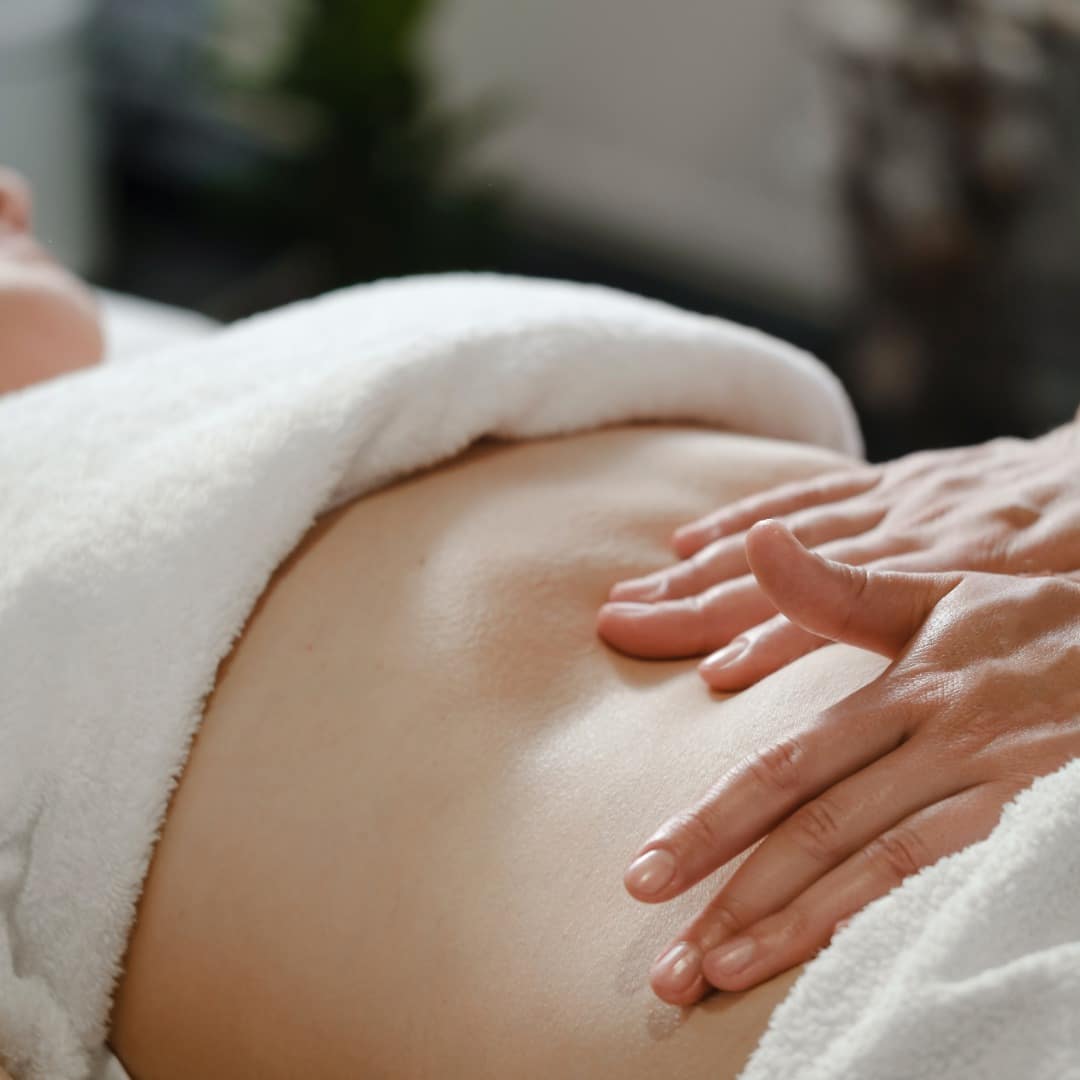
You enhance your recovery results by combining traditional Eastern healing modalities with modern active recovery protocols. Holistic therapies address recovery from multiple angles simultaneously, targeting physical tissue repair, energy flow optimization, and nervous system regulation that conventional approaches often miss. Needle-free acupuncture, Chinese bodywork, and Medical Qigong complement low intensity movement by supporting the underlying energetic systems that govern healing and regeneration. Athletes who integrate these methods with their active recovery sessions report faster bounce back times and deeper restoration compared to movement alone.
Needle-free acupuncture for muscle repair
Japanese Toyohari and Shonishin techniques provide acupuncture benefits without needles by using specialized tools that stimulate healing responses in damaged tissue. These methods work particularly well alongside active recovery for athletes because they enhance blood flow and reduce inflammation through gentle surface stimulation rather than invasive puncture. Your practitioner uses instruments like the teishin or ceramic spoon to address specific muscle groups that took the hardest beating during training, promoting faster repair without adding any discomfort or recovery time.
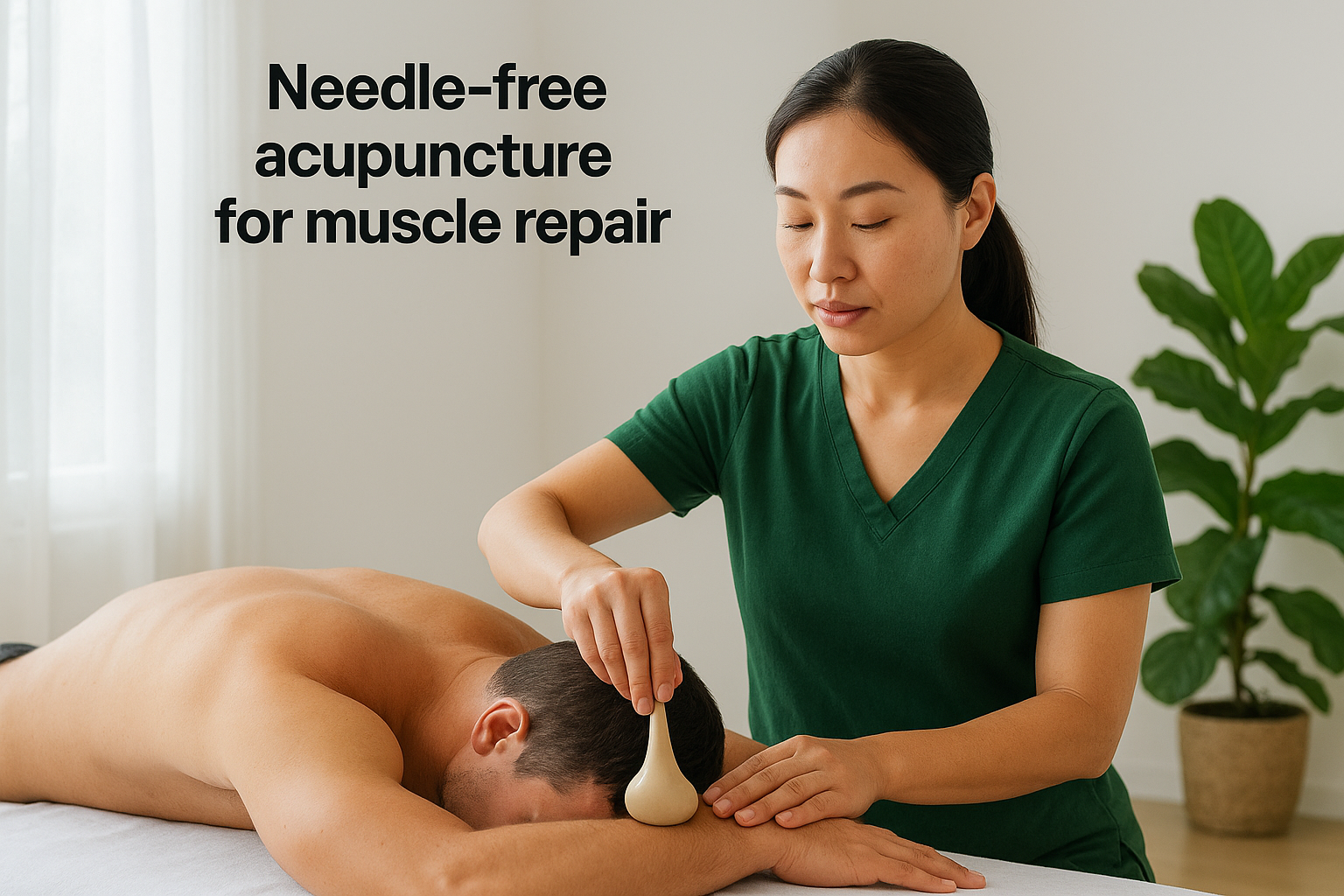
Treatments targeting meridian pathways help regulate your body’s natural healing mechanisms by removing energetic blockages that slow tissue regeneration. You receive hands-on therapy that addresses both the symptomatic areas where you feel soreness and the underlying imbalances that contributed to excessive fatigue or strain. This approach supports your active recovery sessions by ensuring optimal energy flow throughout your entire system.
"True recovery addresses not just the damaged tissue but the entire system that supports healing and adaptation."
Creating a combined recovery protocol
Your most effective recovery strategy layers gentle movement with therapeutic interventions that target different aspects of the healing process. Schedule needle-free acupuncture sessions on the same days as your active recovery workouts, preferably after you complete your low intensity movement when muscles are warm and receptive. Chinese herbal formulas support internal recovery processes between sessions by providing nutrients and compounds that enhance tissue repair and reduce systemic inflammation.
Medical Qigong breathing exercises integrate seamlessly into your cool down routine following active recovery sessions. These practices help regulate your autonomic nervous system, shifting you from sympathetic stress mode into parasympathetic healing mode. You combine deliberate breath work with gentle stretching to maximize the relaxation response that supports optimal recovery and adaptation.
Recover smarter for better performance
Your training results depend as much on how you recover as how hard you push during workouts. Active recovery for athletes bridges the gap between complete rest and intense effort, giving your body the circulation support it needs without adding stress that delays healing. You speed up muscle repair, reduce injury risk, and maintain training consistency by incorporating 30 to 45 minute low intensity sessions into your weekly schedule after demanding workouts.
Smart recovery goes beyond just movement alone. Combining gentle exercise with holistic therapies like needle-free acupuncture creates a comprehensive approach that addresses physical tissue damage and energetic imbalances simultaneously. These methods work together to optimize blood flow, clear metabolic waste, and regulate your nervous system for deeper healing. Schedule a consultation at Doc Blackstone Acupuncture to discover how Japanese Toyohari techniques and the signature ceramic spoon method can accelerate your recovery and keep you performing at your peak.