Those circular marks on athletes’ backs during the Olympics sparked global curiosity about an ancient healing practice. Cupping therapy benefits range from pain relief and reduced inflammation to improved circulation and faster recovery, which explains why everyone from professional swimmers to people with chronic back pain are giving it a try. But does it actually work, and is it safe for you?
At Doc Blackstone Acupuncture in San Antonio, we integrate Traditional Chinese Medicine modalities like cupping alongside our signature needle-free techniques. For patients who prefer non-invasive approaches to healing, cupping offers another powerful tool that works with your body’s natural recovery processes rather than against them. It’s hands-on, it’s effective, and it doesn’t involve needles, qualities our patients appreciate.
This guide covers everything you need to know about cupping therapy: how it works on a physiological level, which conditions respond best to treatment, the differences between wet and dry cupping methods, and what side effects to expect. Whether you’re considering cupping for muscle tension, respiratory issues, or skin health, you’ll find the information you need to make an informed decision.
Why people use cupping therapy
People turn to cupping therapy for reasons that span from desperate pain relief to preventative wellness. You might walk into your first session because you’ve exhausted every conventional treatment for your shoulder pain, or perhaps your physical therapist suggested it as a complement to your rehabilitation program. The motivations vary widely, but most people share a common thread: they’re searching for relief that doesn’t come in a pill bottle or require surgery.
Pain relief when nothing else works
Your chronic back pain has survived multiple rounds of physical therapy, cortisone injections, and prescription medications. This scenario pushes thousands of people toward cupping each year because conventional treatments failed to provide lasting results. Cupping therapy benefits people with stubborn musculoskeletal pain by addressing tissue restriction and circulation problems that other therapies miss. You might have neck tension that won’t respond to massage, knee pain that your orthopedist can’t explain, or recurring headaches that medications only mask temporarily.
The appeal intensifies when you face the alternative: surgery or long-term medication use. Many patients choose cupping as a final attempt before accepting surgical intervention, particularly for conditions like chronic shoulder impingement, lower back disc issues, or repetitive strain injuries. Your body often responds to cupping’s mechanical and circulatory effects when it has stopped responding to other manual therapies.
Cupping creates a unique mechanical force that pulls tissue upward rather than pushing it down, which allows practitioners to access restrictions that compression-based therapies cannot reach.
Athletic performance and faster recovery
Athletes discovered cupping therapy long before those Olympic photos went viral. You see professional swimmers, runners, and CrossFit competitors using cupping because it accelerates recovery between training sessions and reduces muscle soreness after intense workouts. Your tight hip flexors from cycling, your sore quads from squats, or your stiff shoulders from swimming all respond to cupping’s ability to flush metabolic waste and increase local blood flow.
Recovery time matters when you’re training at high intensity or competing at elite levels. Cupping helps your muscles return to baseline faster by improving circulation to overworked tissues. Weekend warriors and recreational athletes also benefit from these same effects, even if your goals involve hiking without knee pain rather than winning medals.
Wellness maintenance and prevention
Some people use cupping therapy as regular maintenance rather than crisis intervention. You might schedule monthly sessions to prevent tension from accumulating, support your immune system during cold season, or maintain mobility as you age. This preventative approach treats your body like you treat your car: regular maintenance prevents bigger problems down the road.
Your reasons for trying cupping might also include stress reduction and relaxation. The therapy creates a meditative quality as cups stay in place, your nervous system downregulates, and your body enters a parasympathetic state. Many patients report feeling deeply relaxed during and after treatment, similar to the effects of massage but with different mechanisms.
Cultural familiarity also plays a role. If you grew up in a household that valued Traditional Chinese Medicine or other healing traditions, cupping feels like a natural choice rather than an exotic experiment. Your trust in these time-tested methods influences your willingness to try cupping for both acute problems and general health maintenance.
How cupping therapy works in the body
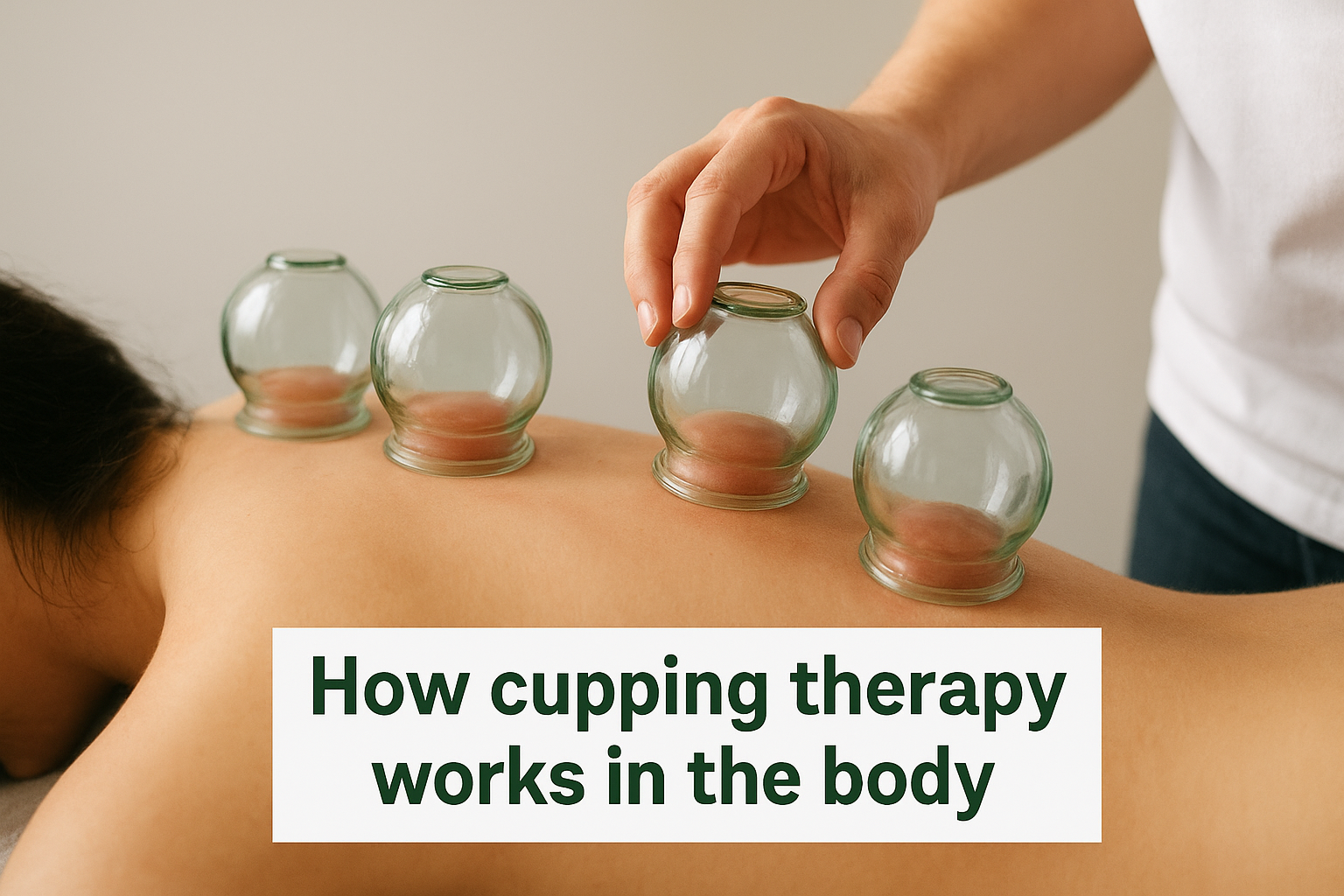
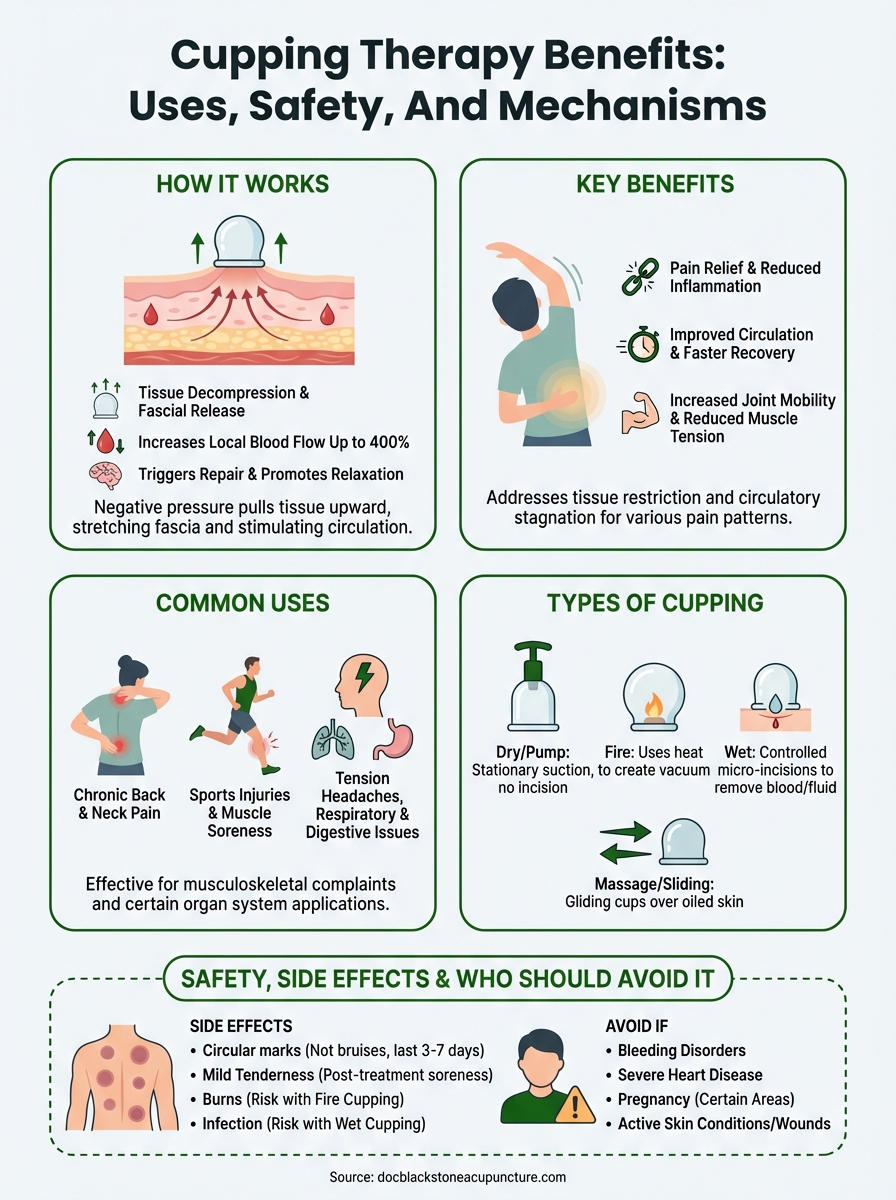
Cupping therapy creates physiological changes in your body through mechanical pressure differences and tissue deformation. When a practitioner places a cup on your skin and creates suction, whether through heat or a vacuum pump, the negative pressure inside the cup pulls your skin and underlying tissues upward. This simple mechanical action triggers a cascade of responses in your circulatory system, connective tissue, and nervous system that produce the cupping therapy benefits people experience.
Negative pressure creates tissue decompression
Your tissues normally experience compression from gravity, muscle tension, and daily mechanical stress. Cupping reverses this force by pulling tissues away from deeper structures, creating space between fascial layers that have become adhered or restricted. When the cup lifts your skin upward, it stretches the fascia, separates tissue planes that have stuck together, and creates temporary deformation in the connective tissue matrix.
This upward pull affects tissues differently than massage or other compression-based therapies. Your fascial restrictions release as the negative pressure pulls adhesions apart, similar to how you might separate two pieces of paper that are stuck together by pulling them from different directions. The mechanical stretch also stimulates mechanoreceptors in your fascia and skin, which send signals to your nervous system that can reduce pain perception and trigger relaxation responses.
Blood flow and circulation changes
The suction from cupping cups draws blood toward the treatment area, increasing local blood flow by up to 400% in some studies. Your capillaries dilate in response to the mechanical stretch, and in some cases, small capillaries may rupture, creating the distinctive circular marks associated with cupping. This controlled microtrauma signals your body to increase circulation to the area both during and after treatment.
Enhanced circulation delivers more oxygen and nutrients to tissues while removing metabolic waste products like lactic acid and inflammatory mediators. Your lymphatic system also responds to cupping, improving drainage of excess fluid and cellular debris from the treatment area.
The negative pressure created by cupping cups produces opposite mechanical forces compared to compression techniques, allowing practitioners to address tissue restrictions and circulatory stagnation through a different therapeutic pathway.
Metabolic and cellular responses
Your cells respond to cupping’s mechanical stress and increased blood flow by ramping up repair and regeneration processes. The controlled tissue trauma triggers your inflammatory response in a beneficial way, releasing cytokines and growth factors that promote healing. Your immune system sends white blood cells to the area, which clear out damaged cells and support tissue repair.
Cupping also affects your autonomic nervous system, shifting your body from sympathetic (fight-or-flight) to parasympathetic (rest-and-digest) states. This nervous system response explains why many people feel deeply relaxed during treatment and experience improved sleep afterward.
Types of cupping therapy and techniques
Your cupping experience depends heavily on which method your practitioner uses. Different cupping techniques create varying levels of suction, tissue response, and therapeutic effects. Understanding these distinctions helps you know what to expect and which approach might work best for your specific condition. The technique your practitioner chooses depends on your treatment goals, tissue condition, and personal tolerance for intensity.
Dry cupping (stationary method)
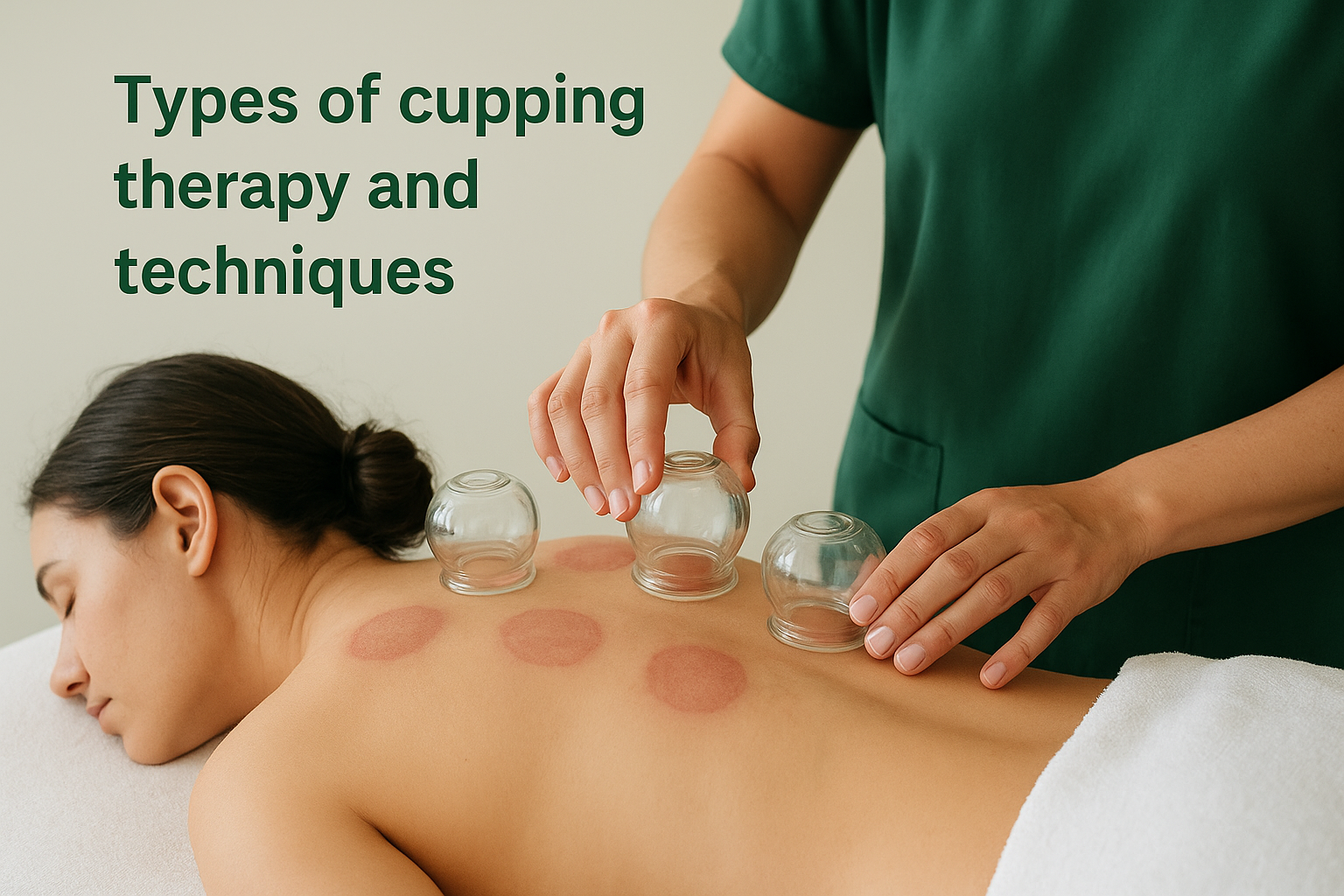
Dry cupping represents the most common approach you’ll encounter in clinics and wellness centers. Your practitioner places cups on specific points and leaves them stationary for five to twenty minutes while the suction pulls your tissues upward. No incisions occur, no blood is drawn, and the cups simply stay in place while your body responds to the negative pressure.
This method works well for muscle tension, pain relief, and circulation improvement in targeted areas. You’ll see the characteristic circular marks afterward, ranging from light pink to deep purple depending on the suction strength and your tissue condition. Practitioners often use dry cupping on your back, shoulders, neck, or legs where larger muscle groups benefit from sustained decompression.
Wet cupping (hijama)
Wet cupping adds a controlled bloodletting component to the therapy. Your practitioner first applies cups to create suction, removes them, makes small superficial incisions in your skin, then reapplies the cups to draw out small amounts of blood and fluid. This technique, also called hijama in Islamic medicine, aims to remove toxins and stagnant blood from your tissues.
The process sounds more dramatic than it feels for most people. Your practitioner uses sterile lancets to create tiny cuts, and the cups draw out approximately one to three tablespoons of blood per treatment area. Wet cupping proponents believe this blood removal provides deeper cupping therapy benefits than dry methods alone, particularly for inflammatory conditions and chronic pain.
Wet cupping requires strict sterile technique and proper training because it involves breaking the skin barrier, making practitioner qualifications especially important for this method.
Fire cupping vs. pump cupping
Fire cupping uses a flaming cotton ball or alcohol-soaked swab to create vacuum pressure inside glass cups. Your practitioner briefly heats the air inside the cup, places it on your skin, and the cooling air creates suction. This traditional method provides smooth, gradual pressure that many people find comfortable.
Pump cupping relies on mechanical vacuum devices attached to plastic or silicone cups. Your practitioner controls suction intensity by pumping air out of the cup manually. This modern approach offers more precise pressure control and eliminates fire safety concerns, making it popular in clinical settings.
Massage cupping and sliding techniques
Moving cupping techniques involve applying oil to your skin and sliding cups across tissue rather than leaving them stationary. Your practitioner creates suction, then glides the cup along muscle groups or fascial lines. This approach combines cupping’s decompression effects with the tissue mobilization benefits of massage.
You’ll experience different sensations with sliding cupping compared to stationary methods. The moving pressure releases broader areas of restriction and feels more like deep tissue massage. Practitioners use this technique on your back, thighs, and IT bands where large tissue areas need mobilization.
Evidence-based benefits and what the research says
The scientific evidence for cupping therapy benefits ranges from robust clinical trials to preliminary studies that suggest promise but require more investigation. You’ll find the strongest research support for pain-related conditions, particularly chronic neck and back pain, while evidence for other applications remains less conclusive. Understanding this research landscape helps you set realistic expectations and make informed decisions about whether cupping fits your health goals.
What clinical studies demonstrate
Research on cupping therapy shows statistically significant pain reduction in multiple randomized controlled trials. A 2018 meta-analysis examining 16 studies found that cupping therapy reduced pain intensity for chronic neck and lower back pain more effectively than usual care or waitlist controls. Your pain levels may decrease by 20 to 40 percent based on these study outcomes, though individual responses vary widely.
Studies measuring cupping’s effects on blood markers reveal increased local circulation and changes in inflammatory mediators at treatment sites. Researchers documented elevated levels of beta-endorphins following cupping sessions, which explains the pain relief many patients experience. Your body’s inflammatory response shows measurable changes, with some studies reporting decreased levels of C-reactive protein and other inflammatory markers.
Clinical trials consistently demonstrate that cupping produces measurable changes in pain perception, tissue blood flow, and inflammatory markers, though researchers continue investigating exactly how these mechanisms create therapeutic effects.
Conditions with strongest evidence
Your chronic musculoskeletal pain conditions have the most research backing cupping therapy. Studies show positive outcomes for neck pain, lower back pain, and knee osteoarthritis with effect sizes comparable to other manual therapies. The evidence quality varies, but systematic reviews generally rate cupping as low to moderate risk with potential benefits for these specific conditions.
Respiratory conditions also show research support, particularly for asthma and chronic cough. Several Chinese studies found that cupping combined with conventional treatment improved lung function and reduced symptom severity more than medication alone. Your respiratory symptoms might respond to cupping, though Western medical research in this area remains limited.
Limitations in current research
Most cupping studies face methodological challenges that limit their conclusiveness. You should know that many trials lack proper control groups, use small sample sizes, or combine cupping with other treatments, making it difficult to isolate cupping’s specific effects. Publication bias favors positive results, which means negative findings often go unreported.
The placebo effect plays a significant role in cupping outcomes because participants know they’re receiving treatment. Researchers cannot easily create sham cupping that feels identical to real treatment, unlike drug trials where patients don’t know which pill they received. Your expectations and beliefs about cupping influence your response, which doesn’t invalidate your results but does complicate research interpretation.
Common uses for pain, mobility, and recovery
Your daily life improves when pain decreases and movement becomes easier, which explains why most people seek cupping for musculoskeletal complaints rather than general wellness. Practitioners apply cupping therapy benefits to specific pain patterns, mobility restrictions, and recovery needs that conventional treatments often address incompletely. These practical applications focus on measurable functional improvements like bending without discomfort, lifting without strain, or training without prolonged soreness.
Chronic back and neck pain
Your lower back pain that flares up after sitting at your desk all day responds to cupping’s ability to release paraspinal muscle tension and improve tissue circulation. Practitioners place cups along your spine, targeting the erector spinae muscles and thoracolumbar fascia that become chronically tight from poor posture or repetitive strain. The treatment addresses both the superficial muscle layers and deeper connective tissue restrictions that contribute to persistent discomfort.
Neck pain from forward head posture, whiplash injuries, or cervical disc issues also responds to strategic cup placement. Your upper trapezius, levator scapulae, and suboccipital muscles receive focused treatment that releases trigger points and restores normal tissue extensibility. Many patients report immediate improvement in neck range of motion and decreased headache frequency after addressing these areas.
Cupping targets the specific muscle groups and fascial restrictions that create mechanical pain patterns, offering relief when the root cause involves tissue tension rather than structural damage.
Sports injuries and muscle recovery
Athletes use cupping to address delayed onset muscle soreness, minor strains, and overuse injuries that limit training intensity. Your hamstrings, quadriceps, calves, and rotator cuff muscles all benefit from cupping’s ability to flush metabolic waste and increase nutrient delivery to overworked tissues. The therapy accelerates your return to full training capacity by reducing inflammation and improving tissue quality.
Recovery between competitions or intense training blocks becomes more efficient when you incorporate regular cupping sessions. Your muscles maintain better elasticity and responsiveness when practitioners address microtrauma before it develops into chronic injury patterns.
Joint mobility and arthritis
Your stiff shoulders, tight hips, or restricted ankles improve when cupping releases the periarticular tissues surrounding joints. Practitioners apply cups around your shoulder capsule, hip rotators, or ankle complex to address fascial restrictions that limit range of motion. This approach works particularly well for frozen shoulder, hip impingement, and post-surgical joint stiffness.
Arthritic joints benefit from cupping’s circulation-enhancing effects and local anti-inflammatory responses. Your knee osteoarthritis pain may decrease as cupping reduces joint effusion and improves the tissue environment around damaged cartilage, though it cannot reverse structural joint changes.
Cupping for skin, headaches, and other conditions
Cupping therapy benefits extend beyond muscles and joints into areas that might surprise you. Your skin conditions, chronic headaches, and even digestive complaints can respond to cupping when practitioners apply the technique strategically. These applications work through the same mechanisms of increased circulation and reduced inflammation, but target different tissue layers and organ systems than musculoskeletal treatments.
Acne, eczema, and facial applications
Your skin health improves when cupping enhances blood flow to the dermis and removes metabolic waste that contributes to inflammation. Practitioners use smaller cups and gentler suction on facial skin to address acne, eczema, and signs of aging without creating intense marks. The treatment brings fresh nutrients to skin cells while stimulating collagen production through controlled mechanical stress.
Facial cupping targets areas around your jawline, forehead, and cheeks with silicone cups that practitioners slide across your skin using light pressure. This technique reduces puffiness, improves skin tone, and decreases the appearance of fine lines. Your acne may improve as cupping reduces local inflammation and helps drain congested pores, though severe cystic acne requires medical treatment alongside any complementary therapies.
Tension headaches and migraines
Your headache patterns often trace back to muscle tension in your neck, scalp, and jaw that cupping effectively releases. Practitioners place cups on your upper trapezius, suboccipital muscles, and temporalis to address the mechanical triggers that create headache pain. The therapy works particularly well for tension-type headaches where muscle tightness restricts blood flow and activates pain receptors.
Migraine sufferers report decreased frequency and intensity when cupping addresses cervical spine restrictions and improves circulation to head and neck tissues. Treatment cannot stop an active migraine, but regular sessions may reduce how often you experience attacks by addressing underlying tension patterns.
Cupping releases the fascial and muscular restrictions in your neck and scalp that contribute to chronic headache patterns, offering relief when the root cause involves tissue tension rather than vascular or neurological dysfunction.
Respiratory and digestive applications
Respiratory conditions like asthma, chronic cough, and bronchitis respond when practitioners apply cups to your upper back and chest. The treatment helps mobilize mucus, reduce airway inflammation, and improve lung expansion. Your breathing capacity may increase as cupping releases restrictions in intercostal muscles and thoracic fascia.
Digestive complaints including bloating, constipation, and irritable bowel symptoms improve when cupping addresses abdominal tension and circulation. Practitioners place cups on your abdomen and lower back to stimulate digestive organs and reduce visceral restrictions that contribute to discomfort.
What to expect during and after a session
Your first cupping appointment begins with questions about your health history, current symptoms, and treatment goals. The practitioner examines the areas you want addressed, explains which cupping technique they’ll use, and sets realistic expectations for immediate and long-term results. Most sessions last 30 to 60 minutes, though treatment duration varies based on the number of areas treated and the technique applied.
Initial consultation and preparation
Practitioners assess your skin condition, pain patterns, and tissue quality before placing any cups. You’ll discuss previous injuries, current medications, and any bleeding disorders that might affect treatment safety. The practitioner explains where they’ll place cups and demonstrates how the suction feels by applying one cup briefly so you know what to expect.
Your skin needs to be clean and free from lotions or oils unless the practitioner plans to use sliding cupping techniques. You’ll either lie on a treatment table or sit in a chair depending on which body areas receive treatment. The room temperature stays comfortable because you’ll have clothing removed from treatment areas for direct skin access.
During the treatment
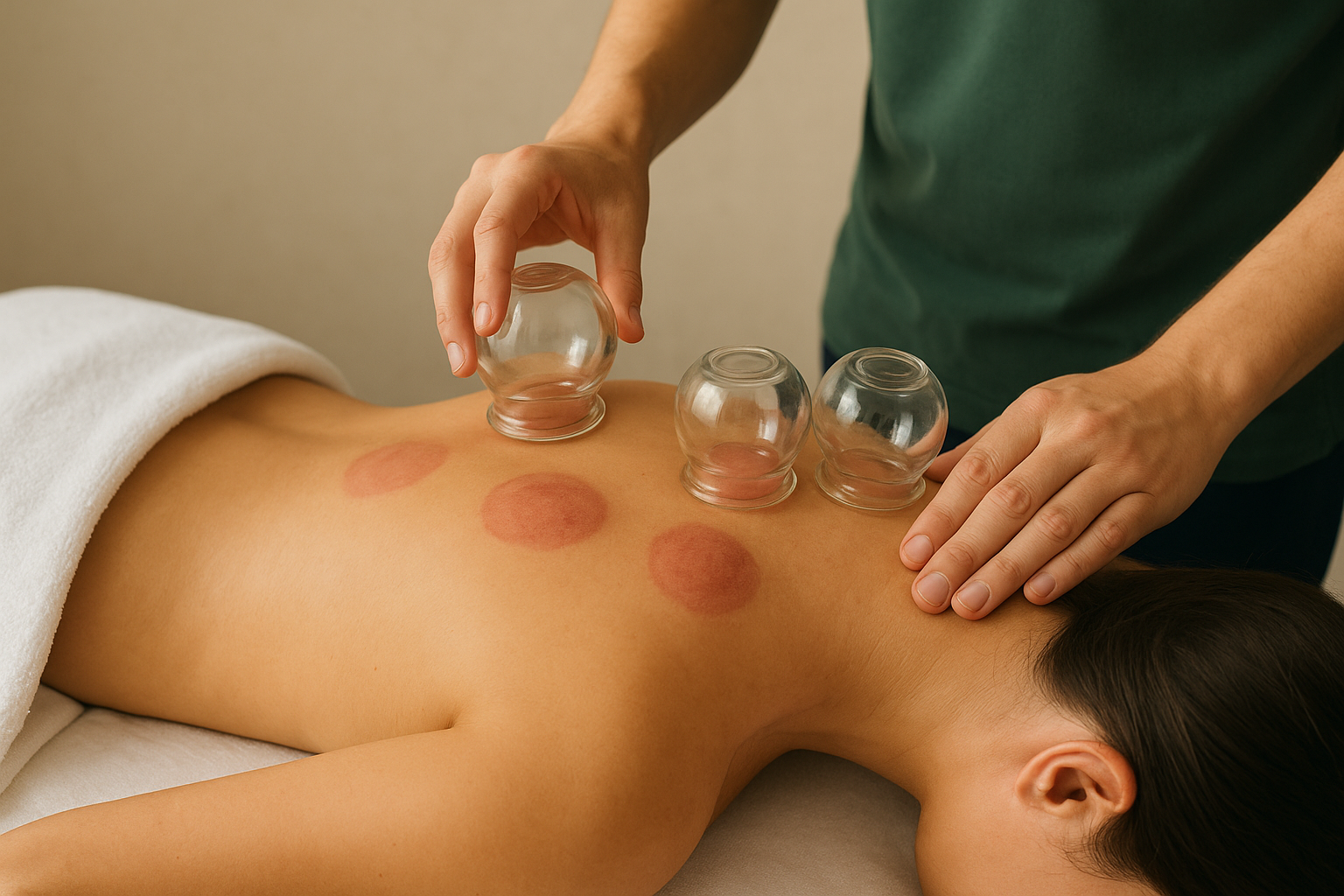
You feel strong pulling sensations as each cup creates suction on your skin, though the intensity rarely crosses into pain. The sensation resembles a deep tissue massage or a tight squeeze that releases as your tissues adjust to the pressure. Some cups feel more intense than others depending on how restricted the underlying tissues are and how much suction the practitioner applies.
Treatment progresses quietly while cups stay in place. Your practitioner may adjust cup positions, add or remove cups, or check in about your comfort level. Many people find the experience deeply relaxing and drift into a meditative state during stationary cupping sessions.
Immediate aftereffects and the days following
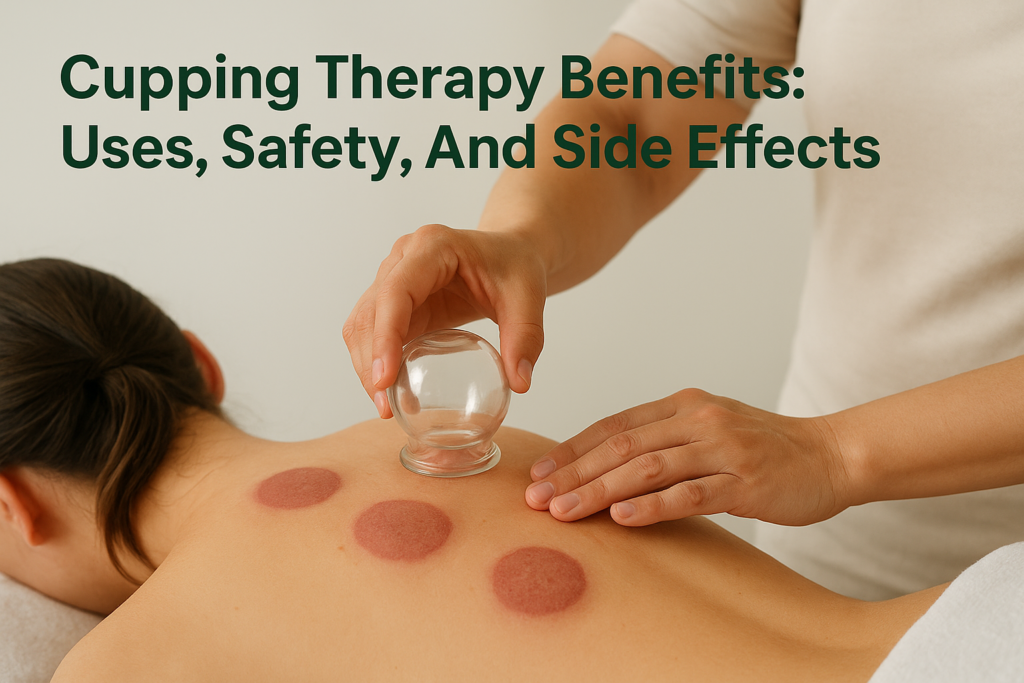
Your skin shows circular marks immediately after cup removal, ranging from light pink to deep purple based on tissue condition and suction intensity. These marks don’t hurt like bruises do because they result from blood being drawn to the surface rather than tissue trauma from impact. You might feel slight tenderness at treatment sites, similar to post-workout muscle soreness.
The distinctive circular marks from cupping indicate increased blood flow to treatment areas and typically fade within three to seven days as your body processes the metabolic changes the therapy triggered.
Cupping therapy benefits become most apparent 24 to 48 hours after treatment as inflammation decreases and tissue mobility improves. You’ll likely feel looser, experience less pain, and move more freely than before your session. Your practitioner may recommend drinking extra water, avoiding intense exercise for 24 hours, and keeping treatment areas covered to support your body’s healing response.
Safety, side effects, and who should avoid it
Cupping therapy ranks as a low-risk treatment when a trained practitioner performs it correctly, but you still need to understand the potential side effects and safety considerations before your first session. The circular marks and temporary discomfort represent normal responses, while certain pre-existing conditions make cupping inappropriate or dangerous for some people. Your safety depends on honest disclosure of your health history and choosing a qualified practitioner who follows proper protocols.
Common side effects and skin reactions
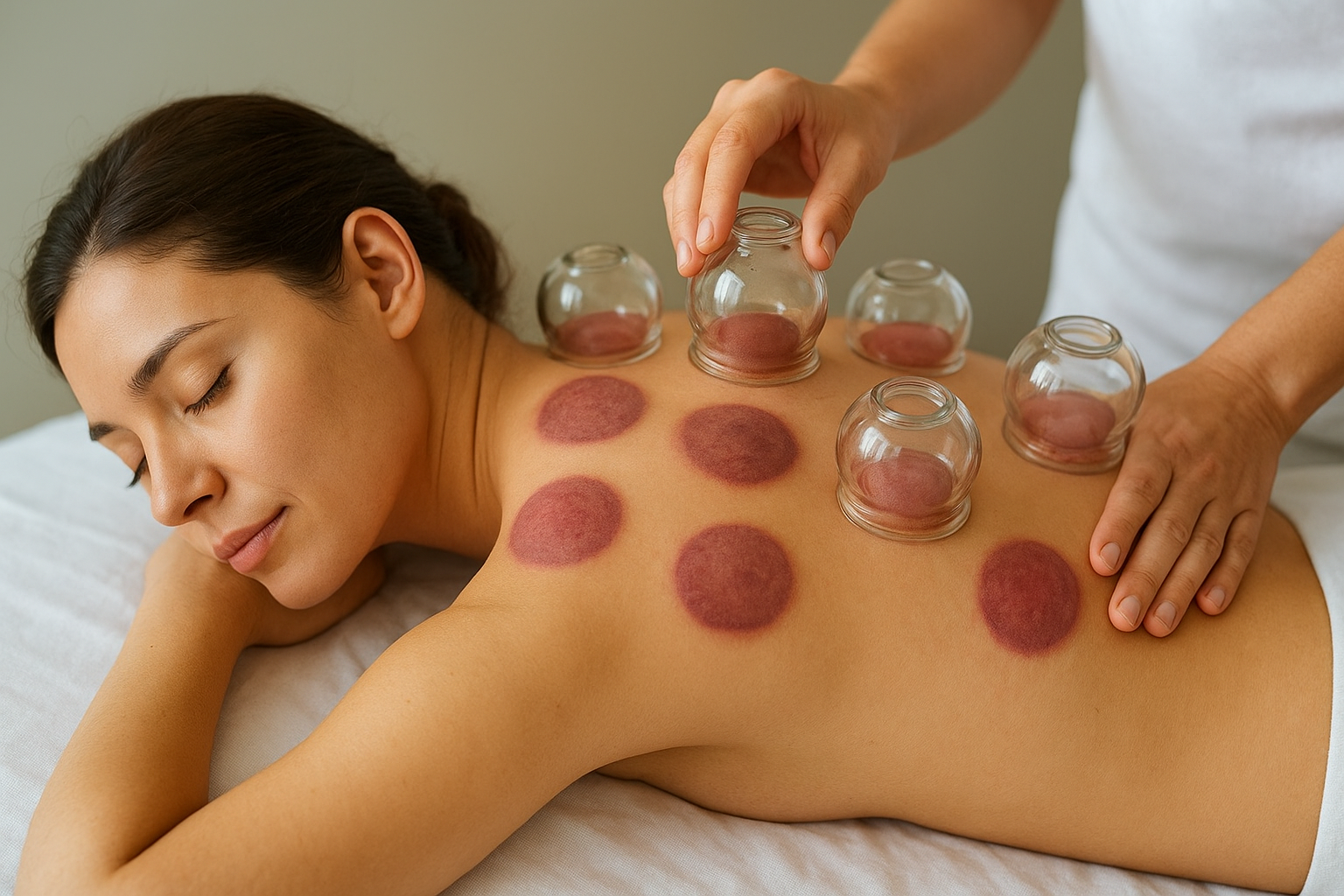
Your skin shows the most obvious side effects from cupping therapy. Those circular marks range from light pink to deep purple depending on your tissue condition, the suction intensity, and how restricted your tissues were before treatment. The marks typically fade within three to seven days, though some people retain visible discoloration for up to two weeks. You might also experience mild tenderness at treatment sites, similar to the soreness you feel after deep tissue massage.
Burns occasionally occur with fire cupping if your practitioner applies the flame incorrectly or leaves the heat source near your skin too long. Modern pump cupping eliminates fire-related risks entirely, making it a safer choice if you’re concerned about burns. Skin irritation, itching, or temporary lightheadedness during treatment affects some people but usually resolves quickly without intervention.
While cupping’s circular marks look dramatic, they result from increased blood flow to the surface rather than tissue damage, and they typically cause no pain despite their bruise-like appearance.
Serious risks and when to stop treatment
Infection becomes a serious concern with wet cupping techniques that involve breaking your skin. Your practitioner must use sterile equipment, proper wound care protocols, and clean technique to prevent bacterial contamination. Any signs of increasing redness, warmth, swelling, or pus at treatment sites require immediate medical attention.
You should stop treatment immediately if you experience severe pain, excessive bleeding, or allergic reactions to materials used during your session. Rarely, people develop skin infections, significant scarring, or iron deficiency anemia from repeated wet cupping sessions that remove too much blood.
Who should not receive cupping
Your bleeding disorder, whether hemophilia or medication-induced, makes cupping dangerous because the therapy can cause uncontrolled bleeding under your skin or at incision sites during wet cupping. People taking blood thinners like warfarin or aspirin face higher risks of excessive bruising and bleeding complications.
Pregnancy contraindicates cupping on your abdomen, lower back, and certain acupressure points that might stimulate uterine contractions. Practitioners avoid cupping over areas with sunburn, skin infections, wounds, or active cancer lesions. Your severe heart disease, organ failure, or pacemaker presence requires medical clearance before receiving treatment. Children under four years old typically should not receive standard cupping due to their delicate skin, though gentler pediatric techniques exist for older children.
Cupping therapy benefits remain inaccessible if you have recent surgery sites, deep vein thrombosis, severe varicose veins, or conditions that compromise your skin integrity like severe eczema or psoriasis flares.
What to do next
Cupping therapy benefits extend across multiple body systems, from pain relief and improved mobility to skin health and respiratory support. You’ve learned about different cupping methods, what research supports, and which conditions respond best to treatment. The decision to try cupping depends on your specific health goals, current conditions, and whether you’re willing to accept the temporary marks and mild discomfort that come with effective treatment.
Finding a qualified practitioner matters more than choosing a specific cupping technique. At Doc Blackstone Acupuncture, we integrate cupping with our needle-free approach to Traditional Chinese Medicine, addressing your body’s restrictions through multiple modalities rather than relying on any single technique. Our hands-on treatment philosophy ensures you receive personalized care that adapts to your tissue responses in real time. Schedule a consultation to determine whether cupping fits your healing journey and which complementary therapies might accelerate your progress.